If you’ve ever looked in the mirror and wondered why your skin has suddenly decided to break out, you’re definitely not alone.
Acne is incredibly common, and it can show up at almost any age. For some of us, it begins in our teens and never completely disappears. For others, acne suddenly turns up in adulthood, often around the chin, jawline or cheeks, just when we thought spots were something we’d left behind years ago.
The frustrating thing about acne is that there isn’t one single reason it happens — and there isn’t one miracle product that works for everyone either.
Your hormones, skin type, genetics, skincare routine, stress levels and even some medications can all play a part.
So rather than throwing every acne product you can find at your face, it helps to understand what’s actually going on.
Learn more about Acne >
In this guide, I’ll walk you through the different types of acne, what causes breakouts, which ingredients are worth trying and when it might be time to speak to a dermatologist.
What Exactly Is Acne?
Acne happens when your pores become clogged.
Your skin naturally produces oil called sebum, which helps keep it soft and protected. You also naturally shed dead skin cells every day.
Sometimes, though, oil and dead skin cells build up inside a hair follicle and create a blockage.
Add bacteria and inflammation into the mix, and you can end up with anything from a tiny blackhead to a large, painful cyst.
Acne most commonly appears on the:
face
forehead
chin
jawline
shoulders
chest
upper back
And despite what you may have been told, acne is not simply caused by having dirty skin.
In fact, washing and scrubbing your face too aggressively can sometimes make things worse.
Why Do We Get Acne?
Several things usually happen at the same time.
Your Skin Produces More Oil
Some of us naturally have oilier skin than others.
Hormones can also encourage the sebaceous glands to produce more oil, which is one reason acne is so common during puberty.
Oil itself isn’t bad. We need it.
Problems begin when there’s more oil than the pore can comfortably handle.
Dead Skin Cells Build Up
Our skin is constantly renewing itself.
Usually, old skin cells simply fall away.
Sometimes they stick together inside a pore instead, creating a little plug.
Bacteria Get Involved
A bacterium called Cutibacterium acnes naturally lives on the skin.
When a pore becomes clogged, conditions inside it can allow the bacteria to contribute to irritation and inflammation.
The Skin Becomes Inflamed
Inflammation is what gives many pimples their familiar red, swollen and sometimes painful appearance.
This is also why simply drying a spot out isn’t always enough.
Good acne treatments usually work by tackling one or more of these underlying problems.
The Main Types of Acne
Not all spots are the same.
Knowing what you’re dealing with can make choosing products much easier.
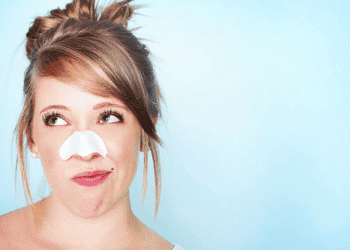
Blackheads
Blackheads look like tiny dark dots inside the pores.
And no — the black part isn’t dirt.
The pore is open at the surface, and the material inside reacts with the air and darkens.
So scrubbing your face harder won’t necessarily get rid of them.
Whiteheads
Whiteheads are similar blockages, except the pore is closed at the surface.
They can look like small white or flesh-colored bumps.
Ingredients that help keep pores clear, such as salicylic acid and retinoids, are often useful here.
Papules
Papules are those red, inflamed bumps that don’t have a visible white head.
They can feel tender and sore.
They’re also very tempting to squeeze.
Try not to.
Picking at inflamed acne can make it angrier and may increase your chance of developing marks afterward.
Pustules
These are the classic pimples with a white or yellow center.
Again, they’re tempting to pop, but leaving them alone is usually kinder to your skin.
Nodules
Nodules are deeper, harder lumps underneath the skin.
They’re often painful and can take a long time to disappear.
Because they’re more likely to cause scarring, I’d consider speaking to a dermatologist if you’re regularly getting nodular acne.
Cystic Acne
Cystic acne is deep, inflamed and often painful.
These breakouts can sit beneath the surface for weeks.
If you’re experiencing cystic acne, particularly if it’s leaving scars, it’s worth getting professional help rather than endlessly trying new skincare products.

What Is Hormonal Acne?
Hormonal acne is exactly what it sounds like — acne influenced by changing hormone levels.
It’s common during puberty, but it certainly isn’t limited to teenagers.
Women may notice breakouts around:
their period
pregnancy
stopping or changing birth control
perimenopause
other periods of hormonal change
Hormonal acne often appears around the chin and jawline, although that doesn’t mean every spot in that area is automatically hormonal.
If you notice a clear pattern month after month, it can be worth mentioning it to your doctor or dermatologist.
Why Am I Suddenly Getting Acne as an Adult?
Adult acne can feel particularly unfair.
You may be dealing with fine lines, dryness and spots all at the same time.
Adult breakouts may be linked with:
hormonal changes
genetics
stress
certain medications
heavy or pore-clogging skincare
hair products getting onto the skin
changes in your usual routine
And adult skin doesn’t always appreciate harsh acne products.
If your skin feels tight, flaky and sore while you’re trying to treat acne, that’s a sign you may need to simplify things.
Does Stress Cause Acne?
Stress isn’t usually the only reason acne develops.
But it can absolutely make existing acne feel worse for some people.
You may notice breakouts during particularly stressful periods, busy weeks or times when you’re sleeping badly.
That doesn’t mean you should blame yourself for your skin.
It simply means stress may be one piece of the puzzle.
Does Food Cause Acne?
The relationship between acne and diet is complicated.
There isn’t one universal acne diet that works for everyone.
Some research suggests that diets high in rapidly absorbed carbohydrates may worsen acne in certain people, but that doesn’t mean you need to completely overhaul everything you eat.
If you think a particular food affects your skin, keeping a simple diary for a few weeks can be useful.
Try to look for patterns rather than blaming one meal or one chocolate bar.
Does Chocolate Really Cause Spots?
Chocolate has been blamed for acne for years.
The reality is much more complicated.
Eating chocolate doesn’t automatically mean you’ll wake up covered in spots the next morning.
The overall pattern of your diet may matter more than one particular food.
Can Dairy Cause Acne?
There has been research looking at dairy consumption and acne, particularly milk.
However, the connection isn’t straightforward and certainly doesn’t mean everyone with acne should stop eating dairy.
If you suspect dairy affects your own skin, it’s better to look for a consistent pattern rather than removing an entire food group based on something you saw online.
Is Acne Caused by Dirty Skin?
No.
This is one acne myth I’d really like to see disappear.
Having acne doesn’t mean you’re not washing your face properly.
In fact, repeatedly washing and scrubbing acne-prone skin can irritate it.
You don’t need to scrub your pores into submission.
Gentle cleansing is usually much better.
How Often Should I Wash My Face?
For most people with acne-prone skin, twice a day is enough.
Wash in the morning and evening, and also after getting particularly sweaty.
Choose a gentle cleanser and use lukewarm water.
Try to avoid:
harsh facial scrubs
rough brushes
very hot water
alcohol-heavy toners
repeatedly washing your face throughout the day
Your skin should feel clean, not stripped.
The Acne Ingredients Worth Knowing About
There are hundreds of products promising clearer skin.
Thankfully, you don’t need hundreds of ingredients.
A few acne treatments come up again and again because they actually have good evidence behind them.
Benzoyl Peroxide
Benzoyl peroxide is one of the best-known acne treatments.
It helps reduce acne-associated bacteria and can calm inflammatory breakouts.
It’s particularly useful for red pimples and pustules.
One thing to know before you use it: it can bleach fabrics.
So be careful with your favorite towels and pillowcases.
Also, don’t assume stronger is always better.
A lower-strength product may be easier on your skin and still work well.
Salicylic Acid
Salicylic acid is a very popular ingredient for clogged pores.
It can help loosen the dead skin cells and oil sitting inside them.
I particularly like it for:
blackheads
whiteheads
congested skin
mildly oily skin
The main mistake to avoid is using salicylic acid in absolutely everything.
You probably don’t need a salicylic cleanser, toner, serum, exfoliant and spot treatment all at once.
Your skin won’t clear faster simply because you’ve irritated it.
Adapalene and Retinoids
Retinoids are some of the most effective ingredients we have for acne.
They help stop dead skin cells from clogging the pores and can prevent new breakouts from forming.
Adapalene is one commonly used option.
Retinoids can be brilliant, but they aren’t always the easiest products to start using.
You may notice:
dryness
flaking
redness
mild irritation
Start slowly.
A small amount a few times a week may be much easier for your skin to tolerate than jumping straight into nightly use.
Retinoids aren’t generally recommended during pregnancy, so check with a doctor or pharmacist if you’re pregnant or trying to conceive.
Azelaic Acid
Azelaic acid is one of those lovely multitasking ingredients.
It may help with:
acne
blocked pores
inflammation
redness
dark marks left by old spots
It’s also sometimes a nice option if your skin doesn’t tolerate harsher treatments particularly well.
Niacinamide
Niacinamide isn’t usually strong enough to treat significant acne by itself, but it can be a useful supporting ingredient.
It may help with:
oiliness
redness
irritation
supporting the skin barrier
I tend to think of it as a good supporting player rather than the star of the show.
Do I Need a Spot Treatment?
Spot treatments can be useful when one annoying pimple appears.
But if you regularly break out across the same area, treating only the spots you can currently see may not be enough.
Many acne treatments work better when they’re applied thinly over the whole acne-prone area.
The idea is to help prevent the next spot rather than only treating the one that’s already arrived.
My Simple Acne Skincare Routine
If your bathroom cupboard currently looks like a beauty store, you may actually benefit from simplifying things.
You don’t need a 12-step acne routine.
I’d start with the basics.
Morning
1. Gentle Cleanser
Use something that cleans away oil without leaving your skin feeling tight.
Depending on your skin, this might be:
benzoyl peroxide
salicylic acid
azelaic acid
I’d choose one main treatment to begin with.
3. Moisturizer
Yes, even oily skin needs moisturizer.
Look for something lightweight and non-comedogenic if you’re prone to blocked pores.
4. Sunscreen
Finish with a broad-spectrum SPF 30 or higher.
Sunscreen is particularly important when you’re using acne treatments that can make your skin more sensitive.
It can also help stop post-acne marks becoming darker.
Evening
1. Cleanse
Remove sunscreen, makeup, sweat and the day’s buildup.
2. Use Your Treatment
This may be a retinoid such as adapalene, depending on what you’re using.
3. Moisturize
Don’t skip this because you’re worried moisturizer will make you oily.
Keeping the skin barrier comfortable can make it much easier to stick with your treatment.
Why Your Acne Routine Might Be Making Things Worse
Sometimes acne doesn’t improve because we’re doing too much rather than too little.
I’ve definitely seen skincare routines where almost every product contains an acid or strong active ingredient.
Your skin doesn’t necessarily need that.
You’re Using Too Many Treatments at Once
If you’re combining several acids, scrubs, retinoids and benzoyl peroxide all at once, your skin may simply become irritated.
Introduce products gradually.
You’re Giving Up Too Soon
Acne treatments usually need time.
Trying something for four days and deciding it doesn’t work isn’t really giving it a fair chance.
You’re Drying Your Skin Out
That tight, squeaky feeling isn’t proof your cleanser is working.
It usually means your skin has been stripped of too much oil.
You’re Picking!
I know.
Sometimes it’s almost impossible to resist.
But squeezing acne can increase inflammation and make dark marks or scars more likely.
You’re Constantly Switching Products
If you change your routine every week, you’ll never really know what works.
Keep things simple and consistent.
How Long Does Acne Treatment Take?
Unfortunately, acne treatment requires patience.
You may start seeing improvements within several weeks, but it can take a couple of months before the difference becomes much more noticeable.
Rather than studying your skin in the mirror every morning, take a photo every two or three weeks.
It’s often much easier to see progress that way.
Does Oily Skin Need Moisturizer?
Yes.
Oily skin and dehydrated skin are not the same thing.
Many acne treatments can make your skin dry and flaky, which is why a simple moisturizer can be such an important part of your routine.
Look for words such as:
lightweight
fragrance-free
non-comedogenic
Ingredients such as ceramides, glycerin and hyaluronic acid can also help keep the skin barrier happy.
Can Makeup Make Acne Worse?
Makeup doesn’t automatically cause acne.
Plenty of people with acne can wear makeup perfectly comfortably.
Try choosing products labeled non-comedogenic and always remove your makeup before bed.
If you notice that one particular foundation seems to coincide with more breakouts, try leaving it out of your routine for a while and see what happens.
What About Back Acne?
Back and chest acne can be every bit as frustrating as facial acne.
You may find it helps to:
shower after exercise
change out of sweaty clothes
keep tight clothing from rubbing constantly
wash workout clothing regularly
try an acne body wash
Benzoyl peroxide washes are often used for body acne.
Just remember the fabric-bleaching warning.
Could My Hair Products Be Causing Spots?
Possibly.
Hair oils, styling creams, pomades and leave-in treatments can sometimes transfer onto the forehead and temples.
If you’re constantly breaking out around your hairline, try:
keeping hair products away from the face
wiping your hairline after styling
washing pillowcases regularly
avoiding very heavy products close to the skin
Why Do I Keep Getting Chin and Jawline Acne?
Breakouts around the lower face are commonly associated with hormones, particularly in women.
You may notice they flare before your period.
But location isn’t enough to diagnose hormonal acne.
Friction, makeup, touching your face and hair products can all contribute too.
If it’s persistent or painful, it’s worth getting professional advice.
Acne During Pregnancy
Pregnancy can make acne better for some women and worse for others.
The big thing to remember is that not every acne treatment is suitable during pregnancy.
Topical retinoids are generally avoided.
If you’re pregnant or trying for a baby, check your acne products with your doctor, dermatologist or pharmacist.
Learn more about Pregnancy Acne >
Acne During Perimenopause and Menopause
Yes, acne can make an appearance during midlife too.
Hormonal shifts can lead to breakouts even when your skin is becoming drier in other areas.
This can make things slightly tricky because strong acne products may feel too harsh.
At this stage, I think a gentle routine becomes particularly important.
You may need to treat both acne and dryness at the same time rather than trying to completely strip oil from your skin.
What Is Fungal Acne?
You’ve probably seen the phrase “fungal acne” online.
Technically, it’s often referring to a condition called Malassezia folliculitis.
It isn’t the same thing as ordinary acne.
It can look like lots of small, similar bumps and may sometimes feel itchy.
If you’ve tried normal acne treatments without success, especially if the bumps are itchy and very uniform, it’s worth asking a dermatologist what you’re actually dealing with.
Acne Marks and Acne Scars Aren’t the Same Thing
After a pimple disappears, you may be left with a mark.
That doesn’t necessarily mean you have a scar.
Dark Marks
These are often caused by post-inflammatory hyperpigmentation.
They usually look brown, gray or darker than the surrounding skin.
Red or Pink Marks
These may be post-inflammatory erythema.
Again, these are flat marks rather than true scars.
Acne Scars
True scars change the texture of the skin.
You may notice indentations or raised areas.
Common indented acne scars include:
ice-pick scars
rolling scars
boxcar scars
These are much harder to treat with normal skincare products.
How Can I Prevent Acne Scars?
The best way is to get the acne itself under control.
You can also help by:
not squeezing spots
wearing sunscreen
treating deep acne early
getting professional help if you’re developing nodules or cysts
If you know your acne tends to scar, don’t feel you need to wait until it becomes severe before getting help.
Learn more about Managing Acne >
Professional Treatments for Acne Scars
Once acne scars have formed, dermatologists may use treatments such as:
microneedling
chemical peels
laser treatments
subcision
fillers
scar surgery
The best option depends on the type of scar you have.
That’s why it’s worth getting a proper assessment rather than simply choosing whichever treatment you’ve seen most often on social media.
Do LED Masks Help Acne?
LED masks have become incredibly popular.
Blue light is often marketed for acne-related bacteria, while red light is usually associated with reducing inflammation.
Some people find light treatments useful, but I wouldn’t personally replace proven acne medication with an LED mask.
Think of it as something that may complement your routine rather than the foundation of it.
What About Home Remedies?
Acne home remedies are everywhere.
You’ve probably seen suggestions involving:
toothpaste
lemon juice
baking soda
garlic
apple cider vinegar
essential oils
Personally, I’d be very cautious.
Your skin isn’t a kitchen experiment.
Many of these ingredients can irritate or even damage your skin without treating the real causes of acne.
There are much better-tested options available.
Learn more about how to heal acne at home >
Does Tea Tree Oil Work?
Tea tree oil has shown some promise for acne, but it isn’t as well established as standard treatments such as benzoyl peroxide or retinoids.
Essential oils can also cause irritation.
Never assume that something is safe for your skin simply because it’s natural.
What About Vitamins for Acne?
You’ll find plenty of supplements claiming to clear acne.
Some nutrients certainly play important roles in skin health, but taking large doses of vitamins isn’t a reliable acne treatment.
More isn’t always better.
Some supplements can even cause side effects or interact with medications.
If you think you may be deficient in something, speak to a healthcare professional rather than guessing.
Learn more about Vitamins for Acne >
When Should I See a Dermatologist?
You don’t need to see a dermatologist for every tiny spot.
But I wouldn’t struggle on alone indefinitely either.
It’s worth getting professional help if you have:
deep, painful acne
cysts or nodules
acne that is leaving scars
widespread acne on your face or body
acne that hasn’t improved despite consistent treatment
severe dark marks after spots
breakouts that are affecting your confidence or wellbeing
Prescription treatments can make a huge difference.
What Can a Dermatologist Prescribe?
Depending on the type and severity of acne, treatment may include:
Prescription Retinoids
These help stop pores becoming blocked.
Antibiotics
Topical or oral antibiotics may sometimes be used for inflammatory acne.
They’re usually used carefully and for limited periods because of antibiotic resistance.
Hormonal Treatments
Some women may benefit from certain contraceptive pills or medications such as spironolactone.
Isotretinoin
Isotretinoin is a powerful acne medication usually reserved for more severe or stubborn acne.
It can be extremely effective, but it needs close medical supervision.
It’s also particularly important to avoid pregnancy while taking it.
Will Acne Ever Go Away Completely?
For some people, yes.
For others, acne comes and goes.
It may become much milder with age, while hormonal acne can continue into adulthood.
The aim doesn’t always have to be perfect, flawless skin.
A good routine should make your acne less frequent, less inflamed and much easier to manage.
The Simplest Way to Start
If your skin is currently overwhelmed, go back to basics.
I would start with:
A gentle cleanser
One acne treatment
A simple moisturizer
SPF 30 or higher
That’s it.
Give your skin time.
Once you’ve worked out what it tolerates, you can add other products if you actually need them.
Acne FAQs
1. How can I get rid of acne quickly?
There’s no genuine overnight cure for recurring acne.
Some individual spots may calm down quickly, but long-term improvement usually takes weeks rather than days.
2. Should I pop a pimple?
It’s better not to.
Picking can push inflammation deeper and make marks or scars more likely.
3. Is toothpaste good for spots?
No.
Toothpaste may dry your skin out, but it isn’t designed to treat acne and may irritate your face.
4. Which is better: salicylic acid or benzoyl peroxide?
It depends on the acne.
Salicylic acid is particularly useful for clogged pores and blackheads.
Benzoyl peroxide is very useful for red, inflammatory spots.
5. Is retinol good for acne?
Retinoids can be extremely useful for acne.
However, cosmetic retinol isn’t exactly the same as acne medications such as adapalene.
6. Why am I getting spots before my period?
Hormonal changes throughout your menstrual cycle can affect oil production and trigger breakouts.
7. Can drinking more water clear acne?
Staying hydrated is good for your overall health, but drinking extra water isn’t a direct acne treatment.
8. Can moisturizer cause acne?
Some heavy products may clog pores for certain people, but moisturizer itself isn’t the enemy.
Choose something suitable for acne-prone skin.
9. Can sunscreen cause acne?
Some sunscreens may feel too heavy for your skin, but there are plenty of lightweight, non-comedogenic formulas available.
Don’t skip sun protection simply because you’re acne-prone.
10. Can acne leave permanent scars?
Yes, particularly deeper acne such as nodules and cysts.
That’s why severe acne is worth treating early.
A Final Word
Acne can be incredibly frustrating, especially when you’ve tried product after product and nothing seems to make much difference.
But you don’t need to attack your skin to get it clear.
In fact, one of the best things you can do is simplify your routine.
Choose ingredients that have good evidence behind them, introduce them slowly and give them time to work.
Try not to pick.
Keep your skin moisturized.
Wear sunscreen.
And if your acne is deep, painful, scarring or simply refusing to improve, speak to a dermatologist.
Sometimes the solution isn’t another serum.
It’s getting the right treatment for the type of acne you actually have.
Useful Links
American Academy of Dermatology – Acne Overview
Useful overview of acne causes, types, treatment options and skincare advice.
URL: https://www.aad.org/public/diseases/acne/really-acne/overview
Mayo Clinic – Acne: Symptoms and Causes
Covers the main causes of acne, symptoms, risk factors and when to seek medical advice.
URL: https://www.mayoclinic.org/diseases-conditions/acne/symptoms-causes/syc-20368047
National Institute of Arthritis and Musculoskeletal and Skin Diseases – Acne
US government health information covering acne causes, symptoms, diagnosis and treatment.
URL: https://www.niams.nih.gov/health-topics/acne