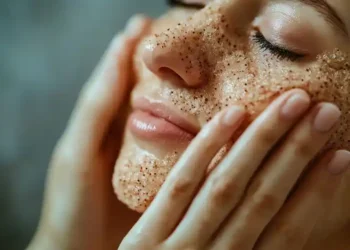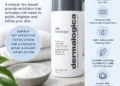
Whiteheads may be small, but they can be incredibly frustrating. I find them particularly annoying because they often seem to appear in clusters around the nose, chin, forehead, or cheeks — and unlike a regular pimple, there isn’t necessarily an obvious “head” that disappears quickly.
More Acne Tips >
A whitehead is actually a closed comedone, a type of acne that develops when dead skin cells and excess oil clog a pore. Because the pore remains closed, the trapped material isn’t exposed to the air, leaving a small white or flesh-colored bump rather than a blackhead.
Learn more about Acne: Causes, Types, Treatments & How to Get Clearer Skin
The good news is that mild whiteheads can often be managed at home. However, when I talk about “home remedies,”
I’m not suggesting attacking your face with toothpaste, lemon juice, baking soda, or harsh homemade scrubs.
Gentle skincare and a few evidence-based ingredients are much more likely to help without leaving your skin red, irritated, or damaged.
Here are some of my favorite approaches to try.
1. Start With a Gentle Cleanser
It sounds almost too simple, but keeping the skin clean without over-washing it is one of the best places to start.
I like to wash my face morning and evening using a gentle cleanser and lukewarm water. The aim isn’t to scrub away every trace of oil. In fact, aggressive cleansing can leave the skin irritated and dry.
If you’re particularly prone to clogged pores, look for a cleanser labeled:
Non-comedogenic
Oil-free
Fragrance-free, particularly if you have sensitive skin
Suitable for acne-prone skin
Cleveland Clinic recommends regular cleansing with warm water and a mild facial cleanser as part of managing and preventing whiteheads.
My tip: Don’t scrub whiteheads with a washcloth or cleansing brush. Gentle fingertips are usually all you need.
2. Try Salicylic Acid
If I had to choose one over-the-counter ingredient specifically for whiteheads, salicylic acid would be high on my list.
Salicylic acid helps exfoliate the skin and clear the dead skin cells that can accumulate inside pores. The American Academy of Dermatology specifically notes that salicylic acid works particularly well for blackheads and whiteheads because it helps unclog pores.
You’ll find it in:
Face washes
Toners
Serums
Spot treatments
Moisturizers
If you’ve never used salicylic acid before, start slowly rather than applying several salicylic acid products at once.
For example, you might use a salicylic acid cleanser once a day and a simple moisturizer afterward.
More isn’t always better. If your skin starts becoming tight, flaky, red, or sore, cut back.
3. Use a Warm Compress
A warm compress is probably one of the easiest traditional home remedies to try.
Soak a clean washcloth in comfortably warm water, wring it out, and hold it against the affected area for several minutes.
The warmth won’t magically “open” pores — pores don’t physically open and close like doors — but a warm compress can be soothing and is considerably kinder to your skin than squeezing or digging at a whitehead.
Just make sure the water is warm rather than hot, particularly if you have sensitive or redness-prone skin.
4. Consider Adapalene
This isn’t technically a kitchen-cupboard home remedy, but it is one of the more useful treatments you can use yourself for recurring whiteheads.
Adapalene is a topical retinoid that helps prevent pores from becoming clogged. Retinoids can help break up existing whiteheads and blackheads while reducing the formation of new ones.
The downside is that retinoids can initially cause:
Dryness
Flaking
Redness
Irritation
I would introduce it gradually and keep the rest of the skincare routine very simple.
Important: If you’re pregnant or trying to become pregnant, speak to a healthcare professional before using topical retinoids.
5. Try Azelaic Acid
Another ingredient I really like for acne-prone skin is azelaic acid.
It can help unclog pores, reduce inflammation, and combat some of the bacteria involved in acne. It may also help with the dark marks that sometimes remain after blemishes have disappeared.
This makes it particularly useful if you’ve got a mixture of:
Whiteheads
Small pimples
Redness
Post-acne marks
As with most active skincare products, start slowly if your skin is sensitive.

6. Give Tea Tree Oil Some Caution
Tea tree oil is probably one of the best-known natural remedies for spots.
There is some evidence supporting tea tree oil for acne, but I wouldn’t recommend applying neat essential oil directly to your face. Undiluted essential oils can cause significant irritation and even allergic contact dermatitis in some people.
If you want to experiment with tea tree oil, I would choose a properly formulated skincare product containing tea tree oil rather than making a strong DIY mixture yourself.
And always patch-test it first.
Tea tree oil may be more useful for inflammatory pimples than closed whiteheads, so I wouldn’t expect miracles from it.
7. Moisturize — Even If Your Skin Is Oily
I used to think moisturizer and clogged pores couldn’t possibly be a good combination, but the right moisturizer can actually be really helpful.
Ingredients such as salicylic acid, benzoyl peroxide, and retinoids can dry the skin. A lightweight moisturizer helps protect your skin barrier and can make these treatments easier to tolerate. The American Academy of Dermatology recommends moisturizer alongside drying acne treatments for this reason.
Look for something labeled:
Non-comedogenic, oil-free, or won’t clog pores.
I’d usually apply moisturizer after my acne treatment rather than skipping it completely.
8. Check Your Hair Products
If your whiteheads seem to congregate around your forehead, temples, or hairline, your shampoo, conditioner, styling cream, hair oil, wax, or pomade could potentially be contributing.
Oily hair products can migrate onto the skin and clog pores. Dermatologists sometimes refer to this type of breakout as acne cosmetica.
Try switching to products marked:
Oil-free
Non-comedogenic
Won’t clog pores
I would also regularly wash anything that comes into frequent contact with my forehead, including pillowcases, hats, headbands, and sleep masks.
If a hair product is responsible, the skin may take several weeks to settle after you stop using it.
9. Change Your Pillowcase Regularly
Your pillowcase comes into contact with facial oils, hair products, sweat, and skincare products every night.
Changing it regularly is an incredibly simple habit.
I’d aim for at least once a week and potentially more frequently if you have very oily skin, sweat heavily at night, or use lots of hair products.
The same goes for anything else regularly touching your face:
Makeup brushes
Makeup sponges
Phones
Hats
Headbands
Sunglasses
Cleveland Clinic specifically recommends regularly cleaning items that come into contact with the face when managing whiteheads.
10. Remove Makeup Before Bed
We’ve all had those nights when taking off makeup feels like far too much effort, but sleeping in it isn’t a great habit if you’re prone to blocked pores.
Makeup itself doesn’t automatically cause acne. The important thing is choosing products suitable for acne-prone skin and removing them properly.
I look for makeup labeled non-comedogenic and make sure it’s completely removed before bed. Cleveland Clinic similarly recommends non-comedogenic makeup and removing makeup at the end of the day.
You don’t need an aggressive three-stage cleansing routine either. Gentle but thorough is the goal.
11. Keep Your Hands Off Your Face
This is probably the hardest remedy on the entire list!
Once I can feel a whitehead, it’s incredibly tempting to keep touching it.
Unfortunately, touching and picking can irritate the area, while squeezing a whitehead can push inflammation deeper into the skin.
Squeezing can also increase the risk of:
Infection
Inflammation
Skin damage
Post-inflammatory marks
Acne scars
Both dermatologists and Cleveland Clinic advise against squeezing whiteheads.
Sometimes doing nothing except applying your normal treatment really is the better choice.
Home Remedies to Get Rid of Whiteheads I Would Avoid
Social media is full of DIY whitehead “hacks,” but natural doesn’t necessarily mean gentle.
I would personally avoid putting the following directly onto whiteheads:
Toothpaste
Toothpaste is designed for teeth, not facial skin.
The American Academy of Dermatology specifically advises against using toothpaste as an acne treatment and recommends proven acne ingredients such as adapalene, benzoyl peroxide, and salicylic acid instead.
Lemon Juice
Lemon juice is highly acidic and can sting and irritate the skin. It can also make your skin more sensitive to sunlight.
There are much safer exfoliating ingredients available.
Baking Soda
Baking soda is alkaline and can interfere with the skin’s natural protective barrier.
I’d leave this one in the kitchen.
Undiluted Apple Cider Vinegar
Another popular internet remedy, but undiluted vinegar can irritate or even chemically burn skin.
Harsh Sugar or Salt Scrubs
Whiteheads form inside clogged pores. Scrubbing the surface of your face aggressively isn’t going to scrape them away.
Instead, it may leave your skin inflamed.
Popping Them With Needles
Please don’t!
Professional extractions performed in appropriate circumstances are very different from attacking your face with a sewing needle at home.
A Simple Whitehead Skincare Routine
If I wanted to keep things really uncomplicated, I’d try something like this.
Morning
Gentle cleanser.
Salicylic acid or azelaic acid if tolerated.
Lightweight non-comedogenic moisturizer.
Broad-spectrum SPF 30+ sunscreen.
Evening
Remove makeup.
Gentle cleanser.
Adapalene or another chosen acne treatment.
Non-comedogenic moisturizer.
You don’t necessarily need salicylic acid, azelaic acid, benzoyl peroxide, and a retinoid all at once.
In fact, starting everything simultaneously is a great way to end up wondering which product has made your face red and flaky.
Choose one active treatment, give your skin time to adjust, and build from there.
How Long Does It Take to Get Rid of Whiteheads?
This is where patience becomes important.
Individual whiteheads may disappear fairly quickly, but if you’re trying to prevent recurring clogged pores, you shouldn’t expect overnight results.
Acne treatments generally need consistent use before you’ll see the full benefit.
And if you’ve identified a pore-clogging hair or skincare product, the AAD notes that it can take around four to six weeks after stopping it for the resulting breakouts to clear.
So don’t give up on a sensible routine after three days.
Can I Squeeze a Whitehead?
I know it’s tempting, but I wouldn’t.
A whitehead is essentially a closed pore. Squeezing it forcefully can traumatize the surrounding skin and potentially lead to inflammation, infection, discoloration, or scarring.
If you have lots of persistent whiteheads and want them professionally extracted, talk to a dermatologist or appropriately qualified skincare professional instead.
How Can I Prevent Whiteheads?
Once you’ve cleared them, prevention usually comes down to keeping pores from becoming clogged again.
I would concentrate on:
Gentle cleansing
Regular use of an appropriate acne treatment
Non-comedogenic skincare
Non-comedogenic makeup
Removing makeup before bed
Keeping oily hair products away from the face
Washing pillowcases regularly
Avoiding picking and squeezing
Moisturizing appropriately
Wearing non-comedogenic SPF
Most importantly, resist the urge to constantly change products.
A simple routine performed consistently is usually far better than a bathroom cabinet filled with fifteen different acne treatments.
When Should I See a Dermatologist?
Home treatment is most appropriate for mild acne, including occasional whiteheads and blackheads. The American Academy of Dermatology advises professional treatment when acne becomes deep, painful, or starts leaving scars.
I’d also consider making an appointment if:
You have large numbers of persistent whiteheads.
Your acne is getting worse.
You develop painful cysts or nodules.
You’re developing scars.
Over-the-counter treatments aren’t helping.
Acne is affecting your confidence or wellbeing.
You’re unsure whether the bumps are actually acne.
Not every tiny white bump is a whitehead. Conditions such as milia can look similar but require a different approach.
The Bottom Line
When I’m dealing with whiteheads, my instinct is to keep things simple.
Rather than reaching for toothpaste, lemon juice, harsh scrubs, or another viral DIY remedy, I’d concentrate on gentle cleansing, salicylic acid, azelaic acid or a retinoid, moisturizer, non-comedogenic products, and most importantly, leaving the whiteheads alone.
Whiteheads are caused by clogged pores, so prevention is often more effective than repeatedly trying to remove individual bumps.
Give your skincare routine time to work, introduce active ingredients gradually, and don’t be afraid to see a dermatologist if those stubborn little bumps simply refuse to disappear.
Resources
American Academy of Dermatology (AAD) – Adult Acne Treatment
Covers salicylic acid, azelaic acid, benzoyl peroxide, adapalene, and why toothpaste isn’t recommended for acne.
https://www.aad.org/public/diseases/acne/diy/adult-acne-treatment
Cleveland Clinic – Whiteheads: Causes, Treatment & Prevention
Explains what causes whiteheads and discusses treatments including salicylic acid, azelaic acid and retinoids.
https://my.clevelandclinic.org/health/diseases/22039-whiteheads
American Academy of Dermatology – Acne: Diagnosis and Treatment
Detailed dermatologist-reviewed information about treating clogged pores and whiteheads with proven acne ingredients.
https://www.aad.org/public/diseases/acne/derm-treat/treat