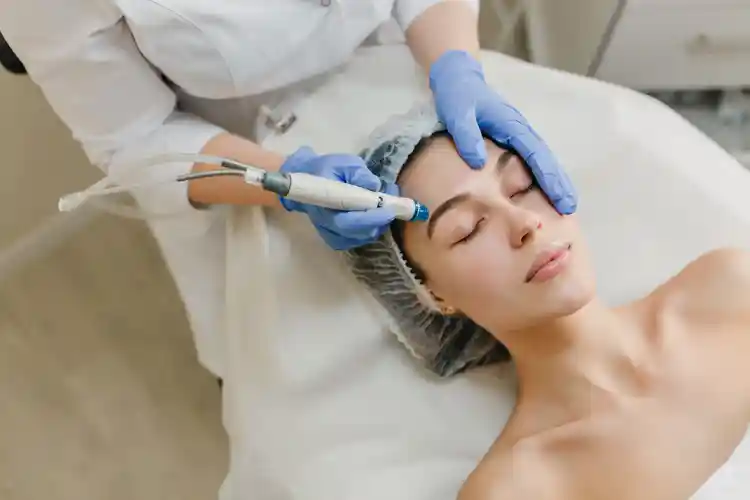
Cosmetic procedures have changed dramatically over the last couple of decades. Once, improving wrinkles, reshaping the body, or changing facial features generally meant undergoing surgery. Today, Americans can choose from an enormous range of surgical, minimally invasive, and non-surgical cosmetic treatments.
Some procedures can be completed during a lunch break, while others involve general anesthesia and several weeks of recovery. There are treatments designed to soften wrinkles, improve acne scars, tighten loose skin, restore lost facial volume, reshape the nose, remove excess fat, whiten teeth, and much more.
With so many options available, though, it can be difficult to understand exactly what each treatment does, how long the results last, and what risks are involved.
In this guide, I’m taking a closer look at the most common cosmetic procedures available in the United States, including their potential benefits, disadvantages, recovery times, and expected results.
Most importantly, cosmetic treatments shouldn’t be considered completely risk-free simply because they’re elective. The American Academy of Dermatology points out that safely carrying out cosmetic treatments requires detailed knowledge of the skin and the structures beneath it.
What Are Cosmetic Procedures?
Cosmetic procedures are treatments performed primarily to change or improve someone’s appearance.
They may be used to:
Reduce visible signs of aging
Smooth wrinkles and fine lines
Restore facial volume
Improve skin texture
Treat certain types of scarring
Reduce unwanted pigmentation
Remove unwanted hair
Tighten loose skin
Reshape facial features
Reduce or redistribute body fat
Alter breast size or shape
Improve the appearance of teeth
Restore hair
Improve overall facial or body proportions
Cosmetic procedures can broadly be divided into non-surgical, minimally invasive, and surgical treatments.
There is considerable overlap between these categories. For example, injectable fillers are often described as non-surgical procedures but they still involve injections and should be treated as medical procedures.
Cosmetic Procedures Are Increasingly Common
Cosmetic treatments are no longer particularly unusual in the United States.
The American Society of Plastic Surgeons tracks cosmetic surgery and minimally invasive treatment trends across the country. Its statistics show continuing demand for both surgical procedures and less invasive treatments such as injections and skin resurfacing.
Part of the appeal is simply the much wider range of options available.
Someone bothered by forehead lines, for instance, might consider a botulinum toxin injection rather than surgery. Someone concerned about uneven skin texture may consider microneedling or laser resurfacing.
Others may decide that surgery provides the most predictable or long-lasting change for their particular concern.
The important point is that there isn’t one “best” cosmetic procedure. The right option depends on what you want to change, your health, your expectations, your budget, your tolerance for downtime, and the advice of a suitably qualified medical professional.
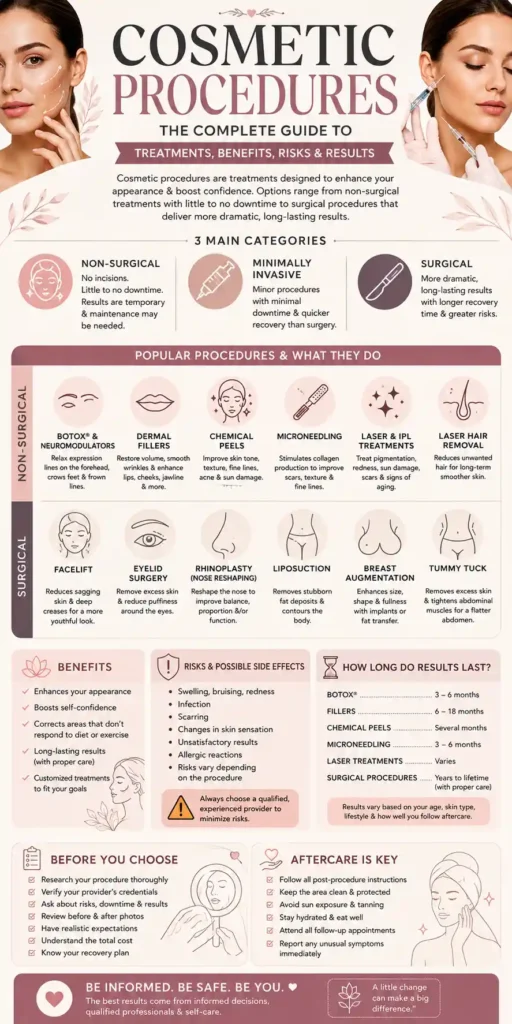
Types of Cosmetic Procedures
1. Botox and Other Neuromodulator Injections
Botox is probably one of the best-known cosmetic treatments in America.
Botox Cosmetic contains botulinum toxin and belongs to a group of injectable treatments often referred to as neuromodulators.
Other botulinum toxin products are also available.
These treatments temporarily reduce muscle activity. When certain facial muscles contract less strongly, lines caused by repeated facial expressions can appear softer.
They are commonly associated with areas such as:
Forehead lines
Frown lines between the eyebrows
Crow’s feet around the eyes
FDA-approved botulinum toxin products are used for the temporary improvement of particular facial lines.
Benefits
Potential benefits include:
Minimal downtime
Relatively quick treatment
Gradual, subtle-looking results when used appropriately
Reduction in expression-related wrinkles
Possible Side Effects
Common effects around an injection site may include:
Redness
Tenderness
Swelling
Bruising
Possible complications can include temporary facial weakness or eyelid or brow drooping. Rare but more serious complications involving swallowing or breathing problems have also been reported.
The effect is temporary, so repeat treatment is usually needed if someone wants to maintain the result.
2. Dermal Fillers
Dermal fillers are injectable materials used to add volume, soften certain lines, or enhance facial contours.
Common treatment areas can include the:
Lips
Cheeks
Chin
Jawline
Areas affected by particular facial folds
Backs of the hands
Hyaluronic acid is one of the best-known filler materials.
Most fillers are gradually absorbed by the body, which means their effects are temporary. How long results last varies depending on the filler material, treatment area, individual metabolism, and amount used.
Benefits
Fillers can potentially:
Restore lost facial volume
Enhance lips
Improve facial proportions
Soften certain wrinkles or folds
Add definition to cheeks or the chin
Risks
Bruising, swelling, tenderness, redness, itching, and pain can occur.
Less common problems include infection, inflammatory reactions, lumps or nodules, allergic reactions, and tissue damage.
One of the most serious risks is filler being unintentionally injected into a blood vessel. Although uncommon, this can cause serious complications including tissue death, vision problems or blindness, and stroke.
This is one reason I would never treat filler as a casual beauty treatment.
The FDA recommends choosing a licensed health care provider experienced in dermatology or plastic surgery and appropriately trained in filler injections. It also specifically advises consumers not to buy fillers online or inject themselves.
3. Lip Fillers
Lip enhancement deserves its own mention because it has become such a recognizable cosmetic procedure.
Lip fillers are usually used to:
Increase lip volume
Improve symmetry
Define the lip border
Alter the proportions of the upper and lower lip
Restore volume lost with age
The goal doesn’t necessarily have to be dramatically larger lips. Small amounts of filler can sometimes be used for subtle contouring.
However, overfilling can create an unnatural appearance, and filler complications are still possible regardless of how small the treatment area is.
Swelling and bruising are common immediately after treatment, meaning the lips may initially appear larger than the final result.
4. Chemical Peels
Chemical peels use an acidic solution to remove controlled layers of skin.
Depending on their strength, they may be used to improve:
Fine lines
Uneven pigmentation
Sun-damaged skin
Rough texture
Some forms of acne
Certain superficial acne scars
Peels range from relatively superficial treatments with limited recovery to deeper medical procedures requiring considerably more downtime.
Benefits
Chemical peels may:
Brighten dull-looking skin
Improve texture
Make pigmentation appear more even
Reduce some superficial signs of sun damage
Soften fine lines
Risks
Possible problems include:
Irritation
Redness
Peeling
Swelling
Changes in pigmentation
Infection
Scarring
The appropriate peel strength is particularly important because deeper isn’t automatically better.
5. Microneedling
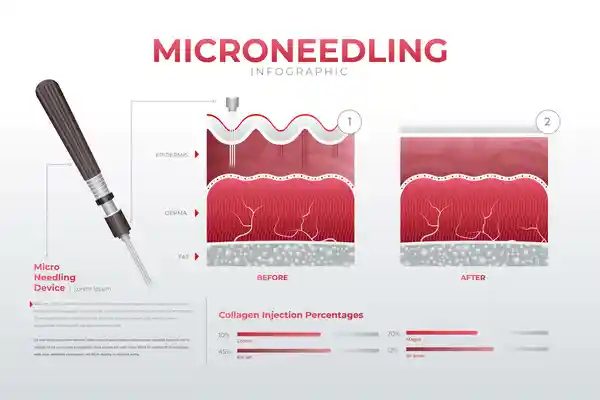
Microneedling involves creating very small controlled injuries in the skin using fine needles.
The healing response can stimulate processes associated with collagen production and skin remodeling.
Microneedling may be recommended for concerns such as:
Acne scars
Uneven texture
Fine lines
Enlarged-looking pores
Certain scars
Professional microneedling that produces noticeable results is considered a medical treatment by dermatologists rather than simply a home skincare technique.
Benefits
Possible improvements include:
Smoother-looking skin
Reduced appearance of certain scars
More even texture
Improved appearance of fine lines
Downsides
Expect temporary redness and sensitivity.
Infection, pigmentation changes, and scarring can occur, particularly if the procedure is performed incorrectly or inappropriate equipment is used.
6. Laser Skin Resurfacing
Laser treatments can target skin at varying depths depending on the device and treatment.
They may be used for:
Fine lines
Sun damage
Pigmentation
Uneven skin texture
Acne scars
Certain vascular concerns
Skin rejuvenation
There are many different laser technologies, so the term “laser treatment” is incredibly broad.
Some procedures have minimal downtime, while stronger resurfacing treatments may require several days or longer for the skin to recover.
Benefits
Depending on the treatment, lasers may help:
Improve pigmentation
Smooth skin texture
Reduce the appearance of certain scars
Improve signs of sun damage
Stimulate skin remodeling
Risks
Potential risks include:
Burns
Blistering
Infection
Scarring
Persistent redness
Changes in skin pigmentation
Skin tone can influence which lasers and settings are appropriate, so professional assessment is particularly important.
7. IPL Treatments
Intense pulsed light, or IPL, isn’t technically a laser.
Instead, it delivers broad-spectrum light to the skin and may be used to address concerns such as:
Sunspots
Freckles
Redness
Visible blood vessels
Uneven pigmentation
Certain signs of sun damage
IPL tends to work best for carefully selected concerns and skin types.
Several sessions may be recommended.
8. Microdermabrasion
Microdermabrasion mechanically exfoliates the outermost layers of the skin.
Compared with deep chemical peels or stronger laser resurfacing, it is generally considered a relatively mild cosmetic treatment.
It can potentially improve:
Dull skin
Mild roughness
Superficial discoloration
Overall skin smoothness
Results tend to be subtle, and repeated treatments may be recommended.
Microdermabrasion shouldn’t be confused with dermabrasion, which is a considerably deeper and more invasive procedure.
9. Dermaplaning
Dermaplaning uses a sterile surgical blade to carefully remove dead surface skin cells and fine facial hair.
Many people like it because the skin can immediately feel smoother.
Potential benefits include:
Temporary smoothing
Removal of fine “peach fuzz”
Improved makeup application
Brighter-looking skin
However, it doesn’t permanently remove facial hair or fundamentally change the structure of the skin.
Minor cuts, irritation, and breakouts can occasionally occur.
10. Laser Hair Removal
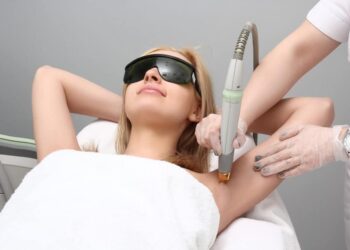
Laser hair removal targets pigment within the hair follicle using concentrated light energy.
Common treatment areas include:
Legs
Underarms
Bikini area
Face
Back
Chest
Despite its name, I prefer to think of laser treatment as long-term hair reduction rather than assuming every hair will permanently disappear.
Multiple sessions are generally needed because hairs grow in cycles.
Possible side effects include temporary redness, swelling, burns, blistering, and pigment changes.
Cosmetic Procedures for Acne and Acne Scars
Cosmetic dermatology can also play a role in improving the appearance of acne scarring.
Learn more about Acne >
Depending on the type of scar, a dermatologist may recommend treatments such as:
Microneedling
Chemical peels
Laser resurfacing
Dermal fillers
Subcision
Dermabrasion
Scar surgery
Combination treatments
This is one area where personalized treatment really matters.
Ice-pick scars, rolling scars, boxcar scars, and post-inflammatory discoloration don’t necessarily respond to the same treatment.
Treating active acne first may also be necessary before focusing on scarring.
Cosmetic Procedures for Wrinkles and Aging Skin
Age-related changes often involve much more than wrinkles.
Over time, skin can become thinner and less elastic, facial fat distribution can change, bone structure alters, and cumulative sun exposure becomes more apparent.
That means rejuvenation may involve several different approaches.
For example:
Concern |
Procedures Sometimes Considered |
|---|---|
Expression lines |
Botulinum toxin injections |
Lost facial volume |
Dermal fillers or fat transfer |
Fine surface lines |
Peels, lasers or resurfacing |
Pigmentation |
Laser, IPL or chemical peel |
Loose facial skin |
Skin-tightening treatments or facelift |
Sagging eyelids |
Blepharoplasty |
Neck laxity |
Non-surgical tightening or neck lift |
Combination treatment can sometimes produce a more balanced result than concentrating on one feature.
Non-Surgical Skin-Tightening Treatments
Several technologies are marketed for tightening skin without surgery.
These include devices using:
Radiofrequency
Ultrasound
Laser energy
Radiofrequency microneedling
The idea is generally to deliver controlled energy beneath or within the skin to encourage remodeling and collagen production.
These procedures may be appealing because downtime can be less than surgery.
However, results tend to be more modest.
A non-surgical tightening procedure cannot necessarily reproduce the effect of surgically removing significant excess skin.
Cosmetic Surgery Procedures
Non-surgical treatments get enormous attention, but surgery remains an important part of cosmetic medicine.
Surgical procedures generally offer larger or more permanent structural changes, but they also involve greater recovery time and potentially greater risk.
11. Facelift
A facelift, or rhytidectomy, is designed to address visible facial aging, particularly sagging tissues.
It can improve concerns such as:
Lower-face sagging
Jowls
Deep facial folds
Loose skin
A facelift doesn’t simply “stretch” the skin. Modern techniques can involve repositioning deeper facial tissues as well as managing excess skin.
Recovery
Bruising and swelling are expected, and full healing takes time.
Although initial improvements become apparent relatively early, final results can take months to settle.
12. Neck Lift
A neck lift may be performed independently or alongside a facelift.
It may address:
Loose neck skin
Jowling
Excess fat beneath the chin
Prominent neck bands
For substantial skin laxity, surgical treatment may produce more noticeable results than non-invasive tightening devices.
13. Eyelid Surgery
Blepharoplasty is cosmetic eyelid surgery.
It can be performed on the upper eyelids, lower eyelids, or both.
The procedure may address:
Excess upper eyelid skin
Under-eye bags
Fat deposits
Loose lower-eyelid skin
Upper eyelid surgery can occasionally also have a functional purpose when excess skin interferes with vision.
14. Rhinoplasty
Rhinoplasty changes the shape or structure of the nose.
People may seek rhinoplasty to alter:
Nose size
Width
Tip shape
Bridge shape
Nostril size
Facial balance
Some rhinoplasty procedures also address functional breathing problems.
Swelling can persist for a surprisingly long time, and the final result can take many months to fully settle.
15. Liposuction
Liposuction surgically removes localized deposits of fat.
It may be performed on areas such as the:
Abdomen
Hips
Thighs
Arms
Back
Chin and neck
Liposuction should not generally be thought of as a weight-loss procedure.
Its main purpose is body contouring.
Benefits
It can create more noticeable changes than many non-invasive fat reduction treatments.
Risks
Possible complications include:
Infection
Bleeding
Fluid imbalance
Contour irregularities
Changes in sensation
Blood clots
Anesthesia-related complications
16. Tummy Tuck
An abdominoplasty, commonly called a tummy tuck, removes excess abdominal skin and can involve tightening the abdominal wall.
It is often considered after:
Pregnancy
Significant weight loss
Aging
Major changes in body composition
A tummy tuck is considerably more invasive than non-surgical body contouring.
The resulting scar typically runs across the lower abdomen, although its exact location and length vary.
17. Breast Augmentation
Breast augmentation increases breast volume, usually through implants or fat transfer.
People may choose augmentation to:
Increase breast size
Restore volume lost after pregnancy or weight loss
Improve asymmetry
Change breast proportions
Breast implants are medical devices and aren’t necessarily lifetime devices. Future surgery may eventually be required.
Anyone considering implants should discuss implant type, monitoring, potential complications, and possible future procedures with their surgeon.
18. Breast Lift
A breast lift, or mastopexy, reshapes and raises sagging breasts by removing excess skin and reshaping supporting tissue.
It doesn’t necessarily add substantial volume.
Some patients combine a lift with augmentation, while others undergo a lift alone.
19. Breast Reduction
Breast reduction removes excess breast tissue, fat, and skin.
Although it changes appearance, it may also be performed to relieve physical problems associated with very large breasts, including:
Neck discomfort
Shoulder discomfort
Back pain
Skin irritation
Difficulty exercising
Because of this, breast reduction can sit somewhere between cosmetic and medically necessary surgery depending on the individual circumstances.
20. Brazilian Butt Lift
A Brazilian butt lift, or BBL, generally involves removing fat from one part of the body using liposuction and transferring some of that fat to the buttocks.
This is major surgery rather than simply an injectable cosmetic treatment.
Safety and surgical technique are extremely important.
Consumers should also be aware that the FDA does not approve injectable dermal fillers or liquid silicone for large-scale body contouring or buttock enhancement. Such injections can cause serious injury or death.
Body Contouring Without Surgery
People who don’t want surgery may consider non-invasive treatments designed to reduce small areas of unwanted fat.
Technologies can involve:
Controlled cooling
Radiofrequency
Ultrasound
Heat or laser energy
Results are generally more subtle than liposuction.
These treatments are primarily intended for contouring specific areas rather than producing major weight loss.
Cosmetic Dental Procedures
Cosmetic procedures aren’t limited to the skin and body.
Dentistry offers numerous treatments intended primarily to improve the appearance of the smile.
Teeth Whitening
Professional teeth whitening can lighten staining caused by substances such as:
Coffee
Tea
Wine
Tobacco
Natural aging
Whitening can’t change the color of fillings, crowns, or veneers.
Temporary tooth sensitivity is one of the most common downsides.
Dental Veneers
Veneers are thin restorations placed over the front surface of teeth.
They may be used to alter:
Tooth color
Shape
Length
Minor spacing
Certain alignment concerns
Veneers can create dramatic cosmetic changes but should be considered carefully because tooth preparation may be irreversible.
Dental Bonding
Dental bonding uses tooth-colored resin to reshape or repair teeth.
It may be suitable for:
Small chips
Gaps
Minor shape changes
Certain discoloration
Bonding is usually less invasive than veneers but may not last as long or resist staining as well.
Hair Restoration Procedures
Hair loss treatments can also fall within cosmetic medicine.
Options include:
Hair transplantation
Platelet-rich plasma treatments
Certain prescription therapies
Laser or light-based devices
Hair transplantation moves follicles from areas of stronger hair growth to thinning or bald areas.
Modern techniques can create very natural-looking results, but success depends heavily on the cause of hair loss and quality of the donor hair.
It is important to determine why hair loss is happening before automatically choosing a cosmetic treatment.
What Are the Benefits of Cosmetic Procedures?
The potential benefits depend entirely on the procedure.
They may include:
Improved Appearance
This is obviously the primary goal.
A successful procedure may improve a feature that has bothered someone for years.
Increased Confidence
Some people report feeling more confident when they are happier with their appearance.
However, cosmetic treatment shouldn’t be viewed as a guaranteed solution for low self-esteem or wider emotional difficulties.
More Targeted Results
Cosmetic medicine can sometimes address concerns that skincare, exercise, or lifestyle changes cannot.
For example, no facial cream can reproduce the structural changes of a facelift.
Increasingly Personalized Treatments
Modern cosmetic care can combine different techniques rather than applying the same procedure to everyone.
A patient may require volume restoration while another needs pigmentation treatment and another needs skin resurfacing.
What Are the Risks of Cosmetic Procedures?
Every cosmetic procedure has risks.
Even treatments promoted as “non-invasive” can cause side effects.
Potential complications across cosmetic procedures can include:
Bruising
Swelling
Pain
Infection
Bleeding
Allergic reactions
Skin discoloration
Burns
Scarring
Nerve injury
Asymmetry
Poor wound healing
Unsatisfactory cosmetic results
Surgery introduces additional potential problems such as anesthesia complications and blood clots.
The exact risks vary enormously between procedures.
This is why the risks associated with the specific treatment you are considering matter much more than a generic description of whether cosmetic procedures are safe.
How Long Do Cosmetic Procedure Results Last?
Results range from temporary to very long-lasting.
As a broad guide:
Procedure |
Typical Nature of Results |
Botulinum toxin |
Temporary |
Hyaluronic acid filler |
Temporary |
Chemical peel |
Variable |
Microneedling |
Gradual; maintenance may be recommended |
Laser resurfacing |
Potentially long-lasting improvements, although skin continues aging |
Long-term reduction; maintenance may be required |
|
Facelift |
Long-lasting, but aging continues |
Rhinoplasty |
Usually long-lasting |
Liposuction |
Long-lasting contour change if weight remains relatively stable |
Breast implants |
Long-term but implants aren’t lifetime devices |
Dental whitening |
Temporary because teeth can become stained again |
No cosmetic treatment permanently stops aging.
Even surgery changes your starting point rather than freezing your appearance forever.
How Much Do Cosmetic Procedures Cost in the USA?
Cosmetic procedure prices vary enormously throughout the United States.
The cost depends on factors including:
Procedure
Treatment area
Geographic location
Provider’s expertise
Facility fees
Anesthesia
Number of sessions
Product used
Extent of surgery
Follow-up care
A small injectable treatment might cost hundreds of dollars, while major cosmetic surgery can run into many thousands.
When comparing prices, ask exactly what the quotation includes.
A surgical quote may or may not include:
Surgeon fee
Anesthesiologist fee
Operating room costs
Prescriptions
Compression garments
Laboratory testing
Follow-up appointments
Choosing a cosmetic provider based solely on the lowest price isn’t a sensible approach.
Does Health Insurance Cover Cosmetic Procedures?
Purely cosmetic procedures generally aren’t covered by health insurance.
However, a procedure that also has a medically necessary or reconstructive purpose may sometimes receive partial or full coverage.
Examples might include certain cases involving:
Breast reconstruction
Breast reduction
Eyelid surgery affecting vision
Nasal surgery addressing breathing problems
Reconstruction following injury or cancer
Insurance rules vary significantly, so check directly with your health insurer before undergoing treatment.
Never assume a procedure will be covered simply because your doctor recommends it.
How Do I Choose a Cosmetic Surgeon or Provider?
This may be the most important decision in the whole process.
Cosmetic procedures can be advertised everywhere from medical offices to spas and social media pages, but impressive before-and-after photographs don’t tell you everything about someone’s qualifications.
For surgical cosmetic procedures, look carefully at professional certification, training, facility accreditation, and experience performing the particular operation you are considering.
The American Society of Plastic Surgeons recommends researching the procedure, understanding the risks, and choosing an appropriately board-certified plastic surgeon for cosmetic surgery.
For skin procedures, the American Academy of Dermatology emphasizes the value of medical expertise and recommends board-certified dermatologists for cosmetic skin care.
Questions to Ask During Your Consultation
I would ask questions such as:
Are you board certified, and by which board?
How often do you perform this procedure?
Am I a suitable candidate?
What results are realistic for me?
What are the most common complications?
What serious complications are possible?
Where will the procedure take place?
Who administers anesthesia if I need it?
How much downtime should I expect?
What should I avoid before treatment?
What aftercare will I need?
Who do I contact if something goes wrong?
How are complications handled?
How long should my results last?
Will I need maintenance treatments?
What is the total expected cost?
A good provider should be willing to discuss drawbacks as readily as benefits.
Beware of DIY Cosmetic Procedures
Social media has made certain cosmetic procedures look deceptively easy.
Injectables are a particularly important example.
The FDA specifically warns against buying dermal fillers directly online, injecting fillers yourself, or using needle-free filler devices. FDA-approved fillers are prescription medical devices intended to be administered by licensed health care professionals.
Don’t assume something is safe simply because you have seen influencers performing it at home.
A 30-second video doesn’t show you sterile technique, facial anatomy, product authenticity, patient screening, or emergency management.
What Should You Do Before a Cosmetic Procedure?
Preparation differs between treatments, but there are a few useful general steps.
Be Honest About Your Medical History
Tell your provider about:
Medical conditions
Allergies
Previous cosmetic treatments
Previous surgery
Medications
Supplements
Smoking or nicotine use
Previous abnormal scarring
Skin infections
Pregnancy or breastfeeding where relevant
Don’t stop prescription medication without medical advice.
Understand the Recovery Period
Ask exactly when you can realistically:
Return to work
Exercise
Wear makeup
Drive
Swim
Travel
Sleep normally
Resume skincare products
Go into direct sunlight
“Minimal downtime” doesn’t necessarily mean you will look completely normal the following morning.
Plan Ahead
For surgery, you may need help with:
Transportation
Children
Pets
Shopping
Meals
Housework
Medication
Wound care
Give yourself more recovery time than your social calendar thinks you need.
What Happens During Recovery?
Recovery varies dramatically.
After injectables, you might have a few small marks or bruises.
After resurfacing, skin may be red, swollen, flaky, or sensitive.
After surgery, recovery may involve dressings, swelling, bruising, drains, sutures, compression garments, and temporary activity restrictions.
Follow your provider’s aftercare instructions carefully.
Sun protection can also be particularly important after many skin procedures.
When Should You Seek Medical Attention After a Cosmetic Procedure?
Your provider should tell you which symptoms require urgent attention.
Don’t ignore unexpected or rapidly worsening symptoms simply because bruising and swelling can be normal.
For example, following dermal filler injections, the FDA advises seeking immediate medical attention for symptoms including unusual pain, vision changes, skin turning white, gray, or blue near an injection site, or signs suggestive of stroke.
After surgery, urgent symptoms can include significant breathing difficulty, chest pain, severe bleeding, rapidly increasing swelling, or other symptoms your surgical team has warned you about.
When in doubt, contact the treating medical professional.
Cosmetic Procedures: Pros and Cons
Pros |
Cons |
Can address specific appearance concerns |
All procedures carry some risk |
Many non-surgical options available |
Results aren’t guaranteed |
Treatments can often be personalized |
Some results are temporary |
Minimally invasive options may have limited downtime |
Repeat treatments can become expensive |
Surgery can provide substantial structural change |
Surgery may involve significant recovery |
Some procedures offer long-lasting results |
Complications can occur |
Modern techniques can produce subtle results |
Choosing an inadequately trained provider increases risk |
May improve confidence for some people |
Cosmetic treatment can’t solve every concern about appearance |
Surgical vs Non-Surgical Cosmetic Procedures
One isn’t automatically better than the other.
Non-Surgical Treatments May Suit You If:
You want a relatively subtle change
You want less downtime
Your concern is mild or moderate
You don’t want surgery
You’re comfortable maintaining results periodically
Surgery May Be More Appropriate If:
You have significant excess skin
You want substantial structural change
Non-surgical treatments can’t realistically achieve your goal
You prefer a potentially longer-lasting result
You’re medically suitable for surgery
You’re willing to accept greater downtime and risk
The key is matching the procedure to the problem.
Someone with substantial loose abdominal skin following major weight loss, for example, shouldn’t necessarily expect a non-invasive tightening treatment to reproduce what an abdominoplasty can achieve.
How to Get Natural-Looking Cosmetic Results
One of the biggest fears people have about cosmetic procedures is looking “done.”
Natural-looking cosmetic treatment usually begins with realistic goals.
Rather than trying to erase every wrinkle or dramatically change every feature, the aim may be to improve proportion, restore volume, soften a particular concern, or create a refreshed appearance.
It helps to:
Choose an experienced provider
Start conservatively when appropriate
Discuss your preferred result clearly
Bring realistic reference photographs
Understand your facial anatomy and proportions
Avoid chasing every new cosmetic trend
Allow swelling to settle before judging results
More treatment isn’t necessarily better treatment.
Cosmetic Procedures and Social Media
Social media has had an enormous influence on beauty expectations.
Filters, strategic lighting, makeup, editing, and carefully selected camera angles can make it difficult to know what a real cosmetic procedure actually achieved.
Before-and-after photographs can be useful, but compare them carefully.
Ideally, photographs should use similar:
Lighting
Facial expression
Camera distance
Angle
Makeup
Positioning
Don’t choose surgery because you want to reproduce a filtered image of somebody else’s face.
An ethical provider should tell you when a goal isn’t realistic.
Should You Have a Cosmetic Procedure?
Cosmetic treatment is a very personal decision.
A useful starting question is:
What exactly am I hoping this procedure will change?
Then ask:
Is the change realistically achievable?
How important is it to me?
Can I afford it without financial pressure?
Am I comfortable with the risks?
Can I manage the recovery?
How would I feel if the result were subtle rather than dramatic?
Am I doing it because I want to, rather than because someone else expects me to?
Have I researched alternatives?
You should feel comfortable saying no after a consultation.
A consultation is an opportunity to gather information, not an obligation to book treatment.
Frequently Asked Questions About Cosmetic Procedures
1. What Is the Most Popular Cosmetic Procedure?
Minimally invasive treatments such as neuromodulator injections, fillers, and skin resurfacing are widely performed in the United States, while procedures such as liposuction, breast surgery, tummy tucks, eyelid surgery, and facelifts remain prominent surgical options. The exact rankings change over time.
2. What Is the Difference Between Cosmetic Surgery and Plastic Surgery?
Plastic surgery is a medical specialty covering both reconstructive and cosmetic surgery.
Cosmetic surgery is specifically performed with the goal of improving appearance.
Reconstructive surgery is generally intended to restore form or function following problems such as injury, congenital abnormalities, disease, burns, or cancer treatment.
3. What Are Minimally Invasive Cosmetic Procedures?
These are treatments that generally don’t require major surgery.
Examples include:
Botulinum toxin injections
Dermal fillers
Chemical peels
Microneedling
Some laser treatments
They may have less downtime than surgery, but that does not mean they have no risks.
4. Are Cosmetic Procedures Safe?
They can be performed safely when an appropriate procedure is used on a suitable patient by a properly qualified professional.
No medical procedure can be guaranteed risk-free.
Your individual health, treatment type, practitioner, products used, and aftercare can all affect the risk.
5. At What Age Should You Start Cosmetic Procedures?
There isn’t one correct age.
Treatment should be based on the actual concern rather than reaching a particular birthday.
A 30-year-old and a 60-year-old may have completely different goals and require completely different treatments.
6. Can Cosmetic Procedures Look Natural?
Yes.
Subtle, well-planned treatment can produce natural-looking results.
The final appearance depends heavily on the procedure, technique, patient’s anatomy, and expectations.
7. What Cosmetic Procedure Is Best for Wrinkles?
That depends on the type of wrinkle.
Expression wrinkles may respond to neuromodulators, while lines associated with volume loss, sun damage, skin texture, or skin laxity may require fillers, resurfacing, skin-tightening treatments, or surgery.
8. What Is the Best Cosmetic Procedure for Acne Scars?
There is no single best treatment.
The type and depth of acne scar matter. Dermatologists may use microneedling, lasers, chemical peels, fillers, subcision, or other procedures, sometimes in combination.
9. How Long Should I Wait Before Judging My Results?
It depends on the procedure.
Injectables may take days or weeks to settle, while surgical swelling can continue improving for weeks or months.
Rhinoplasty results, in particular, can continue refining for many months.
Ask your provider when they consider the result mature enough to assess properly.
10. Can Cosmetic Procedures Be Reversed?
Some can be adjusted or treated more easily than others, but you should never assume a procedure is fully reversible.
For example, some hyaluronic acid fillers can potentially be dissolved, while permanent fillers may be extremely difficult or impossible to remove completely.
Surgery permanently alters tissues even when revision surgery is possible.
The Bottom Line
Cosmetic procedures now range from relatively simple skin treatments to major operations, giving us more choices than ever before.
Botulinum toxin injections can soften expression lines. Fillers can restore facial volume. Chemical peels, microneedling, and laser treatments can target texture and pigmentation. Cosmetic dentistry can transform a smile. And procedures such as facelifts, rhinoplasty, liposuction, breast surgery, and tummy tucks can make much more significant structural changes.
But the fact that a treatment is performed for cosmetic reasons doesn’t make it trivial.
Cosmetic procedures are still medical procedures.
Before deciding on any treatment, understand exactly what it can and cannot achieve, how long the results are likely to last, what recovery involves, and what complications are possible.
Most of all, choose your provider carefully.
The best cosmetic treatment isn’t necessarily the newest, most expensive, or most dramatic procedure. It’s the treatment that safely addresses your particular concern while producing a result that suits you.
This article is provided for general informational purposes only and is not a substitute for diagnosis, treatment, or personalized medical advice from a qualified health care professional. If you’re considering a cosmetic procedure, discuss the potential benefits, alternatives, risks, and suitability of the treatment with an appropriately qualified medical provider.
Resources
U.S. Food & Drug Administration (FDA) – Aesthetic (Cosmetic) Devices
Covers cosmetic devices, potential benefits, risks, and FDA regulation.
https://www.fda.gov/medical-devices/products-and-medical-procedures/aesthetic-cosmetic-devices
FDA – Dermal Fillers (Soft Tissue Fillers)
Excellent source for filler uses, FDA-approved applications, serious complications, and safety advice.
https://www.fda.gov/medical-devices/aesthetic-cosmetic-devices/dermal-fillers-soft-tissue-fillers
American Academy of Dermatology – Cosmetic Treatment Safety
Useful for discussing cosmetic skin treatments, provider qualifications, and reducing the risk of complications.
https://www.aad.org/public/cosmetic/safety
American Academy of Dermatology – Cosmetic Treatments
Covers wrinkles, scars, hair removal, skin rejuvenation, fat reduction, and other dermatologic cosmetic procedures.
https://www.aad.org/public/cosmetic
American Society of Plastic Surgeons – Patient Safety
Particularly useful for your sections on choosing a surgeon, board certification, surgical risks, and preparation.
https://www.plasticsurgery.org/patient-safety
American Society of Plastic Surgeons – Cosmetic Procedures & Statistics
ASPS provides information on major surgical and minimally invasive procedures as well as US procedure statistics.
https://www.plasticsurgery.org/
MedlinePlus – Plastic and Cosmetic Surgery
A US National Library of Medicine resource covering cosmetic surgery, common procedures, risks, and patient information.
https://medlineplus.gov/plasticandcosmeticsurgery.html
Cleveland Clinic – Cosmetic Surgery: Types, Procedures, Benefits & Risks
A medically reviewed overview covering both surgical and non-surgical procedures, preparation, recovery, complications, and expected outcomes.
https://my.clevelandclinic.org/health/procedures/11007-cosmetic-surgery