
If you have ever wished you could get rid of a stubborn pocket of fat without surgery, chances are you have come across CoolSculpting.
CoolSculpting is one of the best-known nonsurgical body-contouring treatments. Rather than removing fat through an incision, as liposuction does, it uses carefully controlled cold temperatures to damage fat cells underneath the skin.
It sounds remarkably simple — freeze unwanted fat and let the body gradually remove it — but there is quite a bit you should know before booking an appointment.
CoolSculpting can produce a noticeable improvement in small, localized areas of fat, but it isn’t a weight-loss treatment and it doesn’t provide the same dramatic results as surgical liposuction.
There are also potential side effects and a rare but significant complication called paradoxical adipose hyperplasia, or PAH, that anyone considering the treatment should understand.
See also: Cosmetic Procedures: Our Complete Guide
Here’s what CoolSculpting involves, what kind of results you can realistically expect and the pros and cons worth considering.
What Is CoolSculpting?
CoolSculpting is the brand name most commonly associated with a cosmetic procedure called cryolipolysis, sometimes simply called fat freezing.
Cryolipolysis uses controlled cooling to target fat cells underneath the skin. Fat cells are particularly vulnerable to cold temperatures, so the treatment aims to damage them while minimizing injury to surrounding skin and tissues.
Over the weeks and months following treatment, the damaged fat cells are gradually cleared from the body.
The result can be a smaller fat bulge and a smoother body contour in the treated area.
The American Society of Plastic Surgeons describes cryolipolysis as a nonsurgical fat-reduction treatment primarily intended for localized areas of fat that have persisted despite diet and exercise.
Is CoolSculpting a Weight-Loss Treatment?
This is probably the most important thing to understand about CoolSculpting:
CoolSculpting is designed for body contouring, not weight loss.
It isn’t intended to help someone lose a substantial amount of body weight or treat obesity.
Instead, it is generally used on relatively small areas of stubborn fat.
For example, someone may already be close to their preferred body weight but still have a persistent pocket of fat around their abdomen or thighs. CoolSculpting may help reduce the size of that particular area.
If your main goal is significant weight loss, nutrition, physical activity and appropriate medical weight-management options will generally be far more relevant than cosmetic fat freezing.
How Does CoolSculpting Work?
The basic idea behind CoolSculpting is surprisingly straightforward.
A specially designed applicator is positioned over the area containing unwanted fat.
Depending on the applicator, suction may pull the fatty tissue between cooling panels. The machine then delivers controlled cooling to the tissue.
The fat cells underneath the skin are exposed to temperatures that damage them.
Your body doesn’t eliminate the damaged fat cells immediately.
Instead, they are gradually broken down and cleared over the following weeks and months, which is why CoolSculpting results develop slowly rather than appearing overnight.

What Does CoolSculpting Feel Like?
During the first few minutes of treatment, you may notice sensations such as:
Intense cold
Pulling
Tugging
Pinching
Pressure
Aching
Tingling
The area generally becomes numb as the cooling continues.
The American Society of Plastic Surgeons notes that discomfort caused by the vacuum applicator typically eases once the area becomes numb.
Because CoolSculpting doesn’t normally require anesthesia, you remain awake throughout the procedure.
Depending on the treatment area and clinic setup, people often spend the session reading, scrolling through their phone or simply relaxing.
What Areas Can CoolSculpting Treat?
Cryolipolysis can be used on several areas where small pockets of fat commonly accumulate.
These can include:
Abdomen
The stomach is one of the most popular treatment areas, particularly for lower-abdominal fat that remains despite exercise and a stable weight.
Flanks
The sides of the waist — sometimes called love handles — can also be treated.
Thighs
Both inner and outer thigh fat may be suitable for cryolipolysis in appropriately selected patients.
Upper arms
CoolSculpting can sometimes reduce localized fatty bulges along the upper arms.
Back
Small pockets of back fat, including areas around the bra line, may be treated.
Under the chin
Certain applicators can treat submental fat, commonly referred to as a double chin.
Underneath the buttocks
Fat underneath the buttocks, sometimes nicknamed the banana roll, can also potentially be treated.
Cleveland Clinic notes that cryolipolysis has been cleared for several areas including the chin, upper arms, abdomen, flanks, thighs, back and underneath the buttocks.
The exact areas suitable for treatment depend on the particular device and applicator being used.
What Happens During a CoolSculpting Appointment?
Your first appointment should normally involve a consultation rather than simply jumping straight into treatment.
A good provider will examine the areas you would like treated and discuss whether CoolSculpting is likely to produce the result you’re hoping for.
If you proceed, the treatment usually follows several basic steps.
1. The Treatment Area Is Marked
Your provider identifies the pocket of fat and marks where the applicator will be positioned.
2. The Skin Is Protected
Depending on the system being used, a protective layer or gel pad may be placed over your skin.
3. The Applicator Is Positioned
The applicator is placed over the treatment area.
With suction-based applicators, your skin and fatty tissue are drawn into the device.
4. Cooling Begins
The applicator cools the underlying tissue for a predetermined period.
Treatment length varies depending on the applicator and area being treated.
5. The Applicator Is Removed
Once treatment finishes, the area may look red, swollen or temporarily raised.
Some treatment protocols include briefly massaging the treated tissue afterward.
How Long Does CoolSculpting Take?
Treatment time varies depending on:
The area being treated
The applicator used
The number of areas being treated
Whether multiple applicators can be used simultaneously
A single treatment area may take roughly 30 to 60 minutes, although appointments can be longer if several areas are treated.
The American Society of Plastic Surgeons notes that CoolSculpting cooling cycles can typically last around 30 to 60 minutes.
Does CoolSculpting Hurt?
CoolSculpting isn’t normally described as intensely painful, but it isn’t necessarily completely comfortable either.
The initial cold and suction can feel quite strong.
After treatment, you may experience tenderness, aching or sensitivity as the area recovers.
Some people experience very little discomfort while others find the area noticeably sore for several days.
Individual experiences vary considerably.
Is There Any Downtime?
One of CoolSculpting’s biggest attractions is that there is usually very little downtime.
Because there are no surgical incisions or general anesthesia, many people return to work or normal daily activities immediately.
Cleveland Clinic notes that patients can typically resume their usual activities straight after treatment.
However, that doesn’t mean the treated area will necessarily feel completely normal.
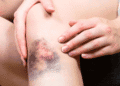
You might still experience swelling, tenderness, numbness or bruising for several days or sometimes longer.
When Will I See Results?
Don’t expect to walk out of the clinic looking dramatically slimmer.
CoolSculpting works gradually.
You may begin noticing changes after several weeks, while more complete results can take a few months to develop as your body clears the affected fat cells.
Cleveland Clinic states that optimal cryolipolysis results may take approximately three to six months to become apparent.
Taking standardized before-and-after photographs can be helpful because gradual changes can otherwise be surprisingly difficult to notice.
How Much Fat Can CoolSculpting Remove?
This is another area where realistic expectations are important.
CoolSculpting doesn’t remove all the fat from a treatment area.
Research summarized by Cleveland Clinic has reported average reductions in treated fat of approximately 15% to 28% around four months after treatment, although individual results vary.
That can make a visible difference to a small bulge, but it isn’t comparable to losing a large amount of weight.
Think of CoolSculpting as refining the contour of an area rather than dramatically changing your body size.
Will I Need More Than One Session?
Possibly.
Some people achieve the improvement they want after one treatment, while others require additional sessions.
Your treatment plan will depend on:
How much fat is present
The size of the treatment area
Your desired result
Your anatomy
How your body responds to treatment
If you’re considering several sessions, make sure the provider explains approximately how many treatments they believe you will need before you commit financially.
Are CoolSculpting Results Permanent?
The fat cells damaged and removed through cryolipolysis don’t simply regenerate.
However, this doesn’t mean the treated area can never become larger again.
The fat cells that remain in your body can still expand if you gain weight.
You can also accumulate fat in untreated areas.
Maintaining a relatively stable weight after treatment is therefore one of the best ways of preserving your results.
Who Is a Good Candidate for CoolSculpting?
The best candidates tend to be people who:
Are generally healthy
Are fairly close to their preferred or stable body weight
Have a localized pocket of fat
Have realistic expectations
Understand that results will be modest and gradual
Would prefer to avoid surgery
Have reasonably good skin tone in the area
CoolSculpting tends to work best when there is enough pinchable fat for an appropriate applicator to treat.
Who Should Avoid CoolSculpting?
CoolSculpting isn’t appropriate for everyone.
Cryolipolysis should generally be avoided by people with certain medical conditions involving abnormal sensitivity or reactions to cold.
These include conditions such as:
Cryoglobulinemia
Cold urticaria
Paroxysmal cold hemoglobinuria
Cold agglutinin disease
People with Raynaud’s phenomenon or other cold-sensitivity disorders may also be unsuitable.
Pregnancy, certain nerve conditions, active skin disease and problems affecting the proposed treatment area may also influence whether the procedure is appropriate.
A proper medical consultation is therefore important rather than assuming that a nonsurgical cosmetic treatment is automatically risk-free.
What Are the Common Side Effects?
Temporary reactions are relatively common after treatment.
The FDA lists possible short-term effects including:
Redness
Bruising
Swelling
Pain or discomfort
Skin discoloration
You may also experience:
Tingling
Tenderness
Aching
Increased sensitivity
Temporary numbness
Some numbness can persist for several weeks.
Most temporary side effects gradually resolve without treatment.
Can CoolSculpting Cause Burns?
Although uncommon, cold-related skin injury is possible.
The FDA specifically lists freeze burns among potential complications of non-invasive fat-freezing treatments. In severe cases, these burns may involve partial or full thickness skin injury.
This is another reason I would choose an experienced, appropriately qualified provider rather than simply looking for the cheapest clinic.
What Is Paradoxical Adipose Hyperplasia?
One of the most important CoolSculpting risks to understand is paradoxical adipose hyperplasia, commonly abbreviated to PAH.
PAH is essentially the opposite of the intended result.
Instead of the treated fatty tissue shrinking, it becomes larger and firmer.
The FDA describes PAH as a raised, often firm bulge of fatty tissue that may resemble the shape of the treatment applicator. Reported cases can develop several months after fat-freezing treatment.
Unfortunately, PAH doesn’t simply disappear on its own.
Correcting it may require another procedure such as liposuction or surgery.
Although PAH remains uncommon, estimates of how frequently it occurs have differed considerably between studies and reports.
That uncertainty means it deserves a proper discussion during your consultation rather than being brushed aside as an insignificant possibility.
Other Possible CoolSculpting Complications
Less common problems identified by the FDA include:
Persistent numbness
Temporary lumps or nodules
Nerve-related effects when treating beneath the jaw
Temporary throat fullness following treatment beneath the chin
Hernia in or around vulnerable areas
Fat freezing should not be performed directly over or close to a known hernia or structurally weak area of the abdominal wall.
Does CoolSculpting Tighten Loose Skin?
Not really.
CoolSculpting primarily targets fat, not loose skin.
If sagging or excess skin is the main thing bothering you, simply reducing the fat underneath it may not provide the improvement you expect.
In some cases, removing volume from underneath already-loose skin could even make that laxity more noticeable.
Cleveland Clinic specifically describes CoolSculpting as reducing fat rather than skin and notes that traditional surgery may be more appropriate when loose skin is the primary concern.
CoolSculpting vs Liposuction
CoolSculpting and liposuction both reduce localized fat, but they are very different procedures.
CoolSculpting
CoolSculpting is:
Nonsurgical
Usually performed without anesthesia
Associated with little downtime
Gradual in its effects
Best suited to smaller pockets of fat
Likely to produce more subtle changes
Liposuction
Liposuction is:
A surgical procedure
More invasive
Usually associated with more recovery
Capable of removing larger amounts of fat
Generally capable of producing more dramatic contour changes
If you only want a modest improvement and strongly want to avoid surgery, CoolSculpting may appeal to you.
If you want a significant change in contour, liposuction may provide a more predictable result.
A qualified plastic surgeon can help you compare the two.
CoolSculpting vs Weight Loss
Another misconception I frequently see is the idea that removing fat cells is equivalent to losing weight.
It isn’t.
Weight loss reduces the size of fat cells throughout the body.
CoolSculpting damages a proportion of fat cells within one specific treatment area.
The number shown on your bathroom scale may therefore barely change, even if you see a visible improvement in your waistline or another treated area.
What Are the Benefits of CoolSculpting?
For the right candidate, the advantages can include:
No Surgery
There are no incisions.
No General Anesthesia
Most treatments are performed while you’re completely awake.
Minimal Downtime
Many people return directly to normal activities.
Gradual-Looking Results
Because the fat reduction develops over several weeks, the change tends to appear naturally.
Targeted Treatment
Specific pockets of fat can be treated without attempting whole-body weight loss.
What Are the Downsides?
CoolSculpting also has limitations.
Results Can Be Subtle
You may not achieve the dramatic transformation shown in highly polished advertising photographs.
You May Need Multiple Sessions
Several treatments can substantially increase the total cost.
Results Take Time
You may wait several months before seeing the final outcome.
It Doesn’t Treat Loose Skin
Fat reduction won’t necessarily fix sagging skin.
Contour Irregularities Can Occur
Some areas may respond more noticeably than others.
PAH Is Possible
Although uncommon, paradoxical adipose hyperplasia can be difficult to correct.
How Much Does CoolSculpting Cost?
There isn’t one standard CoolSculpting price.
The total cost depends on factors including:
The treatment area
The size and number of applicators
How many areas you treat
The number of sessions required
Your clinic and geographic location
Cosmetic fat reduction is generally considered elective, so health insurance normally doesn’t cover it.
When comparing prices, ask for the expected total cost of your complete treatment plan, rather than just the price of one applicator or one session.
A seemingly inexpensive treatment can become considerably more expensive if multiple sessions are recommended.
How Should I Choose a CoolSculpting Provider?
Provider selection matters.
I would look for someone with substantial experience in body contouring who is prepared to assess your anatomy rather than simply sell you a package.
During your consultation, ask:
Am I genuinely a good candidate?
How many treatments do you expect I’ll need?
What improvement is realistic for my body?
What are the common side effects?
How often have you personally encountered PAH?
What happens if I develop a complication?
Who performs the actual treatment?
What medical qualifications or supervision are available?
Can I see before-and-after photographs of patients with a body type similar to mine?
I would also be cautious about clinics promising dramatic weight loss or guaranteed results.
How Can I Prepare for CoolSculpting?
Your provider should give you specific instructions.
Generally, it helps to arrive well hydrated and wear comfortable clothing.
If you bruise easily or take medications or supplements that affect bleeding, mention this during your consultation rather than stopping anything yourself.
Always tell your provider about your medications and medical history.
What Should I Expect After Treatment?
Immediately afterward, your skin may look:
Red
Swollen
Slightly raised
Bruised
The area can also feel:
Numb
Tender
Tingly
Sensitive
Achy
These effects usually improve gradually.
You normally won’t need a special diet or exercise routine to make CoolSculpting “work,” although maintaining healthy habits and a stable weight will help preserve your results.
Can You Exercise After CoolSculpting?
Many people can return to exercise and normal activity quickly.
However, if the treated area is particularly sore or swollen, you may prefer to reduce intense exercise temporarily.
Follow the advice provided by your clinician, particularly if you experience unusual pain or other symptoms.
Can CoolSculpting Get Rid of Cellulite?
CoolSculpting isn’t primarily a cellulite treatment.
Cellulite involves the relationship between fat, skin and connective tissue rather than simply excess fat.
Reducing some underlying fat may change the appearance of an area, but you shouldn’t assume CoolSculpting will eliminate cellulite.
If cellulite is your main concern, discuss treatments specifically designed for cellulite during your consultation.
Will CoolSculpting Give Me a Flat Stomach?
Possibly a flatter-looking stomach — but there is an important distinction.
CoolSculpting may reduce subcutaneous fat, which is the soft fat located underneath the skin.
It cannot correct every reason an abdomen may protrude.
For example, abdominal shape may also be influenced by:
Visceral fat surrounding internal organs
Loose skin
Muscle separation
Bloating
Posture
Abdominal muscle tone
If the fullness isn’t mainly caused by pinchable subcutaneous fat, CoolSculpting may provide limited improvement.
Is CoolSculpting Worth It?
For the right person, it certainly can be.
I think CoolSculpting makes the most sense when you have one or two fairly small, stubborn areas of fat, you’re already close to a stable body weight and you’re comfortable with a modest improvement rather than a complete transformation.
It makes much less sense if you’re hoping to lose significant weight, remove large amounts of fat or tighten noticeably loose skin.
The biggest mistake would be viewing CoolSculpting as an effortless alternative to weight loss or as a nonsurgical version of major liposuction.
It isn’t either.
The Bottom Line
CoolSculpting is a nonsurgical fat-reduction treatment that uses controlled cooling to damage fat cells underneath the skin.
Those damaged cells are gradually cleared by the body, potentially making small areas of stubborn fat less noticeable.
The main advantages are obvious: no surgery, no general anesthesia and usually very little downtime.
But there are limitations.
Results develop gradually, multiple treatments may be required and the improvement is generally more modest than you would expect from liposuction.
Temporary swelling, bruising, numbness and discomfort can occur, while rarer complications include freeze burns and paradoxical adipose hyperplasia.
If you’re considering CoolSculpting, my advice would be to focus less on dramatic before-and-after advertising and more on finding an experienced medical professional who will give you a realistic assessment of what the treatment can — and can’t — achieve.
For the right candidate, CoolSculpting can be a useful body-contouring tool. It just needs to be approached as exactly that: body contouring rather than weight loss.
Resources
U.S. Food & Drug Administration (FDA) – Non-Invasive Body Contouring Technologies
The best source for safety information. It explains how cryolipolysis/fat freezing works, what non-invasive body contouring can realistically achieve, and potential complications and risks.
https://www.fda.gov/medical-devices/aesthetic-cosmetic-devices/non-invasive-body-contouring-technologies
Cleveland Clinic – CoolSculpting®
A useful patient-friendly overview covering what CoolSculpting is, the areas it can treat, how it differs from liposuction, and what to expect following treatment.
https://my.clevelandclinic.org/cosmetic-plastic-surgery/procedures/cool-sculpting
American Society of Plastic Surgeons – Cryolipolysis / Nonsurgical Fat Reduction
A reputable professional resource explaining cryolipolysis, suitable candidates, how cold damages fat cells, and situations in which the treatment may not be appropriate.
https://www.plasticsurgery.org/cosmetic-procedures/nonsurgical-fat-reduction/cryolipolysis
This article is for general informational purposes and isn’t a substitute for individualized medical advice. Speak with a qualified healthcare professional or appropriately credentialed cosmetic treatment provider before undergoing any body-contouring procedure.













Comments 1