Hello again, Beautifully Alive family! If you’ve ever walked down the beauty aisle and stared blankly at products that say they can fix, strengthen, hydrate, revive, and maybe even do your taxes, you’ve probably seen the hair mask section sitting quietly next to the shampoos and conditioners like little tubs of magic.
But what are hair masks, really? Why do so many people say they work? Are they really magical, or is the beauty industry just trying to get us to add another step to our already busy routines?
Get a snack, get comfortable, and let’s take a luxurious dive into the wonderful world of hair masks. Your hair will thank you, I promise.
See also: Hair Masks For Gorgeous Healthy Hair >
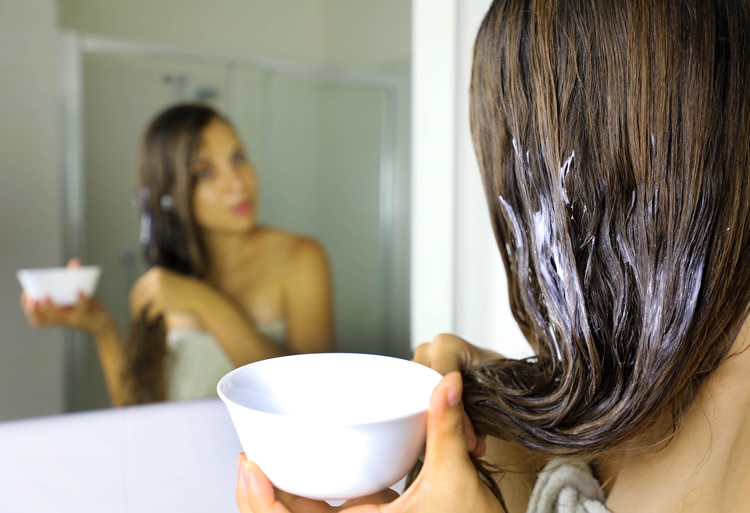
So, what is a hair mask, exactly?
A hair mask is like a deep-conditioning treatment that works even better. A hair mask is like a three-minute bear hug that says, “Shh… I’ve got you.” A conditioner is like a quick hug.
Hair masks are technically advanced formulas full of nourishing ingredients that are meant to get deeper into the hair shaft than regular conditioners. They are thicker, richer, and more focused.
Conditioners only smooth and untangle hair, but masks do more. They help fix damage, add moisture, restore protein, and improve the overall health of your hair.
To sum up, a mask is like skincare for your hair.
Why Hair Masks Are More Important Than You Think
Just like skin, hair has to fight every day. Your poor strands have to deal with a lot: sun exposure, heat styling, tight hair ties, chemical processing, pollution, stress, hormonal changes, winter dryness, and summer UV rays.
Even if you take great care of your hair, just being alive exposes it to things that dry it out, make it less flexible, and weaken it.
Hair masks can help with the following:
1. Water
The worst thing for hair is dryness. Masks full of oils, butters, and humectants (like glycerin) put moisture back where it belongs.
2. Fixing Damage
Oh my, bleach, dye, flat irons, and blow dryers. Keratin and amino acids are proteins that can help strengthen weak strands.
3. Control of Frizz
A mask can help smooth things out if humidity has ever made your hair look like a lion’s mane.
4. Shine and softness
Hair that is healthy reflects light better, feels smoother, and follows directions better. Masks help bring back that “commercial-worthy” glow.
5. Health of the Scalp
Some masks even go straight to the source of the problem. Aloe, tea tree, or peppermint masks can help soothe irritation and create a healthy base for hair growth.
Hair masks aren’t just a luxury; they’re a way to save your hair.
Who Needs a Hair Mask? (Hint: Most likely you)
Let’s play “Do I Need a Hair Mask?” It’s time to get a jar if you say “yes” to any of the following:
- Your hair feels brittle, dry, or rough.
- You dye, bleach, or treat your hair with chemicals.
- You use heat tools a lot.
- You have frizz or breakage.
- Your curls don’t look full or defined.
- Your scalp is dry or flaky.
- Your hair looks flat or dull.
- Your ponytail has been your best friend for weeks.
- You just want your hair to look healthier and softer.
Spoiler alert: almost everyone can benefit from masking once a month or even once a week.
Different Types of Hair Masks (Not All Strands Are the Same)
Not all hair masks are the same. The best mask for your hair will depend on what it needs.
Let’s take it apart.
1. Masks that keep your skin moist
Best for: hair that is dry, frizzy, curly, or coarse
Shea butter, coconut oil, honey, aloe vera, and glycerin are some of the good things that are often in these masks. What do they do? Stay hydrated, stay hydrated, stay hydrated.
2. Masks with protein
Best for: hair that is weak, damaged, or has been chemically treated
Protein masks make hair stronger and help it grow back. Look for things like collagen, silk protein, keratin, or amino acids. Just be careful: too much protein can make hair hard or brittle.
3. Fix Masks
Best for: colour fading, split ends, and damage from heat
These usually have moisture, protein, and bond-repairing ingredients, like those found in salon-quality treatments. They help make things more flexible and less likely to break.
4. Clearing Up Scalp Masks
Best for: oily scalps, dry skin, and buildup
Scalp masks get rid of oil, calm irritation, and get rid of dead skin. Clay, charcoal, tea tree oil, or salicylic acid could be some of the ingredients.
5. Masks that make colours brighter
Best for: hair that has been dyed
These masks add moisture and colour to dull tones to make them look better. Good for blondes who want to tone down brassiness or brunettes who want to bring back richness.
6. Masks that define curls
Best for: hair that is wavy, curly, or coily
These masks add moisture to your hair while helping to shape curls, which keeps frizz at bay and adds bounce.
How to Pick the Best Hair Mask for Your Hair
Choosing a mask is like dating: you need to know what you want, and your hair has its own tastes.
This is how to find the right hair mask for you:
If your hair is dry or frizzy:
Pick a mask that has oils and butters in it to keep your skin moist. Stay away from heavy proteins.
If bleach or heat has damaged your hair:
Choose a mask that repairs or strengthens your hair with bond-builders or proteins.
If your scalp is oily or flaky:
Choose a clarifying scalp mask that cleans without taking away too much.
If you have curly hair:
Choose a curl mask that is rich in moisture and doesn’t have any silicone in it to keep your curls looking natural.
If your hair is thin:
Choose a light mask, like one that is gel-based or water-based and will hydrate your hair without making it heavy.
If your hair has been dyed:
Choose a mask that protects colour and has UV filters and antioxidants.
The most important thing to remember is to pay attention to what your hair needs, not the prettiest packaging in the aisle (which we all do from time to time).
How often should you put a mask on your hair? Let’s take a look at it.
Hair masking, like skin care, doesn’t work for everyone. It depends on what kind of hair you have and how healthy it is.
If your hair is healthy and normal:
For upkeep, wear a mask once every one to two weeks.
If your hair is dry or frizzy:
Once or twice a week, put on a mask.
If your hair is damaged or has been bleached:
Once a week, switch between a protein or repair mask and a moisturising mask.
If your hair is oily:
Every one to two weeks, use a scalp mask, and don’t put heavy masks on the ends.
If your hair is curly or coily:
Most of the time, weekly masking is best.
The goal is to give your hair the nutrients it needs without overloading it, especially with protein.
Let’s Talk Hair Mask Ingredients: What You Should Look For (and Stay Away From)
You’re not the only one who has ever picked up a hair mask and thought the list of ingredients was written in ancient hieroglyphics. Let’s figure out who the key players are.
Star Ingredients You Need:
- Shea butter is very moisturising.
- Coconut oil gets into the hair shaft.
- Argan oil makes things smooth and shiny.
- Honey is a natural humectant that keeps things moist.
- Keratin makes hair stronger that is already weak.
- Aloe vera calms the scalp and adds moisture.
- Glycerin pulls in water
- Avocado oil is full of vitamins and fatty acids.
- Castor oil helps with growth and density.
- Silk amino acids make things softer and smoother.
Things You Should Be Careful With:
Proteins like keratin, wheat protein, and collagen
Good in small amounts, but too much can make hair stiff.
Silicones
Not always bad! They make things slip and shine. People with curly or fine hair might want to stay away from heavy silicones to keep buildup from happening.
Heavy oils and butters, such as cocoa butter or castor oil
Great for hair that is thick and curly. Not good for fine or oily hair.
If you can, don’t use these ingredients at all:
- Sulphates are too strong for masks.
- Parabens are preservatives that are becoming more and more of a concern.
- Phthalates are extra chemicals that aren’t needed.
- Denatured alcohol and harsh alcohols can make hair dry.
If you’re not sure, look for masks that say “sulfate-free,” “paraben-free,” or “clean formula.”
How to Use a Hair Mask Like a Pro (Because Technique Is Important!)
It may seem easy to use a hair mask: scoop, slather, and rinse. But with a few expert tips, you can make your masking game go from okay to great.
Let’s go through it step by step:
1. Begin with hair that is clean and damp.
First, shampoo! This opens up the cuticle and gets rid of buildup so the mask can get in.
2. Get rid of extra water
The mask won’t work if your hair is dripping wet.
3. Put it on from the middle to the ends.
Don’t put it on the roots unless it’s a scalp mask.
4. Use a comb with wide teeth.
This helps to untangle and make sure that the product is spread evenly.
5. Let it sit
Five to twenty minutes is how long most masks need. There are some masks that you can wear overnight, but don’t use them too often.
6. Add heat for even more benefits.
A warm towel or shower cap makes the cuticle even more open.
7. Rinse well
You don’t want your hair to be greasy; you want it to be hydrated.
8. As usual, style
Your hair should feel softer and easier to work with right away.
Hair Mask Recipes You Can Make at Home (Because Making Things Yourself Is Fun, Cheap, and Works!)
These DIY hair masks are simple, natural, and very good for your skin if you like the idea of making your own beauty products in the kitchen.
1. Hydrating Honey + Coconut Mask
Great for: dry or frizzy hair
Ingredients:
- 2 tbsp coconut oil
- 1 tbsp honey
Warm slightly, mix, apply, and leave for 20 minutes.
2. Avocado Repair Mask
Great for: damaged or bleached hair
Ingredients:
- ½ ripe avocado
- 1 tbsp olive oil
- 1 tbsp yogurt
Blend until smooth. Apply and leave for 15–20 minutes.
3. Banana Softening Mask
Great for: dull or coarse hair
Ingredients:
- 1 ripe banana
- 1 tbsp honey
- 1 tbsp aloe vera
Blend to avoid chunks (nobody wants banana bits stuck in their hair!).
4. Scalp Detox Mask
Great for: oily scalp or dandruff
Ingredients:
- 2 tbsp bentonite clay
- 2 tbsp apple cider vinegar
- 1 tbsp water
Apply to scalp only. Leave for 10 minutes.
Making your own masks is fun, but masks you buy at the store have more specific, scientifically proven benefits. A mix of both is a great way to go.
More DIY Hair Mask Ideas
- 3 DIY Hair Masks that Will Pamper Hair and Keep it Healthy
- 3 DIY Avocado Hair Mask Recipes plus 3 Bonus Recipes
- Top 7 DIY Hair Treatments That Actually Work
- 4 Miracle DIY Banana Hair Mask Recipes
- DIY Coconut Oil Hair Mask
See also: Best Selling Hair Masks on Amazon
Common Mistakes People Make with Hair Masks (So You Don’t Make Them)
Even the best products can fail if you don’t use them right. Here are the biggest “oops” moments you should stay away from:
1. Using too much of the product
More does NOT mean better. Too much can make your hair heavy.
2. Putting on dirty hair
Absorption is blocked by buildup.
3. Using protein masks too often
Hello, hair that breaks easily.
4. Putting a mask on roots when it’s not needed
This often makes the hair at the crown greasy and flat.
5. Using very hot water to rinse
Hot water makes the cuticle rise, which undoes the smoothing effects.
6. Sleeping in all of the masks
Some masks are not meant to be used overnight.
Fixing these mistakes can make your results better right away.
Can You Use More Than One Hair Mask? Yes, for sure!
More and more people are using hair care products in layers, just like skin care. You can definitely use different masks for different things.
This is how to do it safely:
- Once a week, put on a protein mask.
- On days when you don’t wash your hair, use a hydrating mask.
- Once a week or every other week, use a scalp mask.
Unless a professional tells you to, don’t do all three on the same day.
How long will it take to see results?
The good news is that many masks make your hair soft and shiny right away after just one use.
But if you want long-term changes, like less breakage or more elasticity, you’ll need to be consistent.
Expect a big change in:
- 2 to 4 weeks to get hydrated
- 4 to 8 weeks to fix damage
- 8–12 weeks to lower the risk of breakage
Keep in mind that taking care of your hair is a long-term goal.
Hair Mask Questions and Answers
Because we know you still have questions.
1. Is it possible to use a mask instead of conditioner?
Yes, sometimes. But not every wash—masks are more concentrated.
2. Is it okay to put a mask on dry hair?
Yes, but it usually works better on wet hair.
3. Will hair masks make my hair grow?
Yes, but not directly. Scalp masks can help hair grow by making it healthier.
4. Are masks safe for hair that has been dyed?
Most of them are! Don’t use clarifying masks unless you’re getting rid of buildup.
5. How can I tell if I’m eating too much protein?
Your hair will feel like straw, stiff, or dry. To get back to normal, switch to moisture masks.
6. Do men use hair masks?
Of course! Hair doesn’t care about gender.
Last Thoughts: Hair Masks Are Your New Secret Weapon
If you’ve made it this far, congratulations! You’re pretty much an expert at hair masks now.
Hair masks are great because they are easy to use, work well, and give you great results. They make your hair look and feel great by giving it the extra care it needs. They also turn wash days into a spa-like experience that you’ll look forward to.
There is a perfect mask for your hair, no matter if it is dry, damaged, curly, straight, color-treated, fine, thick, oily, or something in between. And now that you know how to pick it out and use it, you’re ready to make your hair look its best.
Go out and put on a mask like the queen you are!
And if you find a holy grail mask or try any DIY hair mask recipes, you have to let us know. It’s nice to share, especially when you have a great hair day.