If your skin is looking a little dull, rough, congested, or simply in need of a refresh, you may have come across something called a skin infusion or dermal infusion.
At first glance, it sounds like a treatment that somehow “injects” skincare ingredients into your face, but thankfully it is far less dramatic than that. Dermal infusion is a non-invasive resurfacing treatment that combines exfoliation, suction, and the application of skincare serums in one procedure.
I tend to think of it as a more sophisticated version of microdermabrasion. Instead of simply removing dead skin cells, the treatment also delivers a serum to the freshly exfoliated skin.
View more Skin Care Tips >
So, is dermal infusion worth trying? Here is what the treatment involves, its potential benefits, and the pros and cons worth knowing before you book an appointment.
See also: Cosmetic Procedures: Our Complete Guide
What Is a Dermal Infusion?
Skin infusion is a professional facial treatment designed to exfoliate the surface of the skin while simultaneously applying a targeted serum.
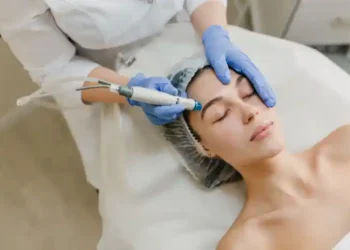
A handheld device containing a diamond-tip applicator is moved across the skin. The tip gently buffs away dead surface cells while suction removes loosened debris and impurities.
At the same time, a specially selected serum is applied to the treated area.
Depending on your skin concerns, the serum might contain ingredients intended to hydrate, brighten, soothe, or support acne-prone skin.
The whole process is designed to leave the skin looking smoother and fresher without the lengthy recovery period associated with stronger chemical peels or laser resurfacing treatments.
How Does Dermal Infusion Work?
Dermal infusion generally involves three things happening together:
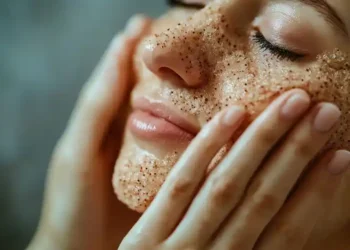
Exfoliation: The diamond-tipped applicator removes some of the dead cells sitting on the surface of the skin.
Extraction: Gentle suction helps lift away loosened skin cells, oil, and debris.
Serum application: A chosen skincare solution is delivered onto the newly exfoliated skin during the treatment.
This combination is one of the main differences between dermal infusion and traditional microdermabrasion.
Rather than exfoliating first and applying skincare products afterward, dermal infusion combines the processes.
What Are the Benefits of Dermal Infusion?
1. It Can Make Skin Feel Smoother
One of the most noticeable benefits is smoother-feeling skin.
Dead skin cells can accumulate on the surface and make your complexion feel rough or uneven. Removing some of that buildup may immediately make the skin feel softer.
Makeup may also sit more evenly on freshly exfoliated skin.
2. It Can Brighten Dull-Looking Skin
If my skin looks tired and flat, exfoliation is usually one of the first things I think about.
By removing dull surface cells, dermal infusion can temporarily make the complexion look brighter and fresher.
It isn’t going to permanently transform your natural skin tone, but it may help restore some radiance.
3. It Can Help With Congested Pores
The suction component can help remove loosened debris and excess oil from the surface of the skin.
For people dealing with mild congestion, blackheads, or oily areas, this can be particularly appealing.
However, dermal infusion isn’t a substitute for medical acne treatment if you have moderate or severe acne.
4. It Can Give the Skin a Hydrated Appearance
Some treatments use hydrating serums during the infusion process.
This can leave the complexion looking plumper and less dry immediately after the procedure.
The effect may be especially noticeable if your skin has been looking dehydrated or lacklustre.
5. It May Improve the Look of Uneven Texture
Because the treatment exfoliates the outermost surface of the skin, repeated treatments may help improve the appearance of mild unevenness.
Skin may look and feel more refined afterward.
6. It May Temporarily Minimise the Appearance of Fine Lines
Dermal infusion isn’t a wrinkle treatment in the same league as injectables, resurfacing lasers, or prescription skincare.
However, exfoliation and hydration can temporarily make very fine lines look less noticeable.
This is partly because hydrated, smoother skin tends to reflect light differently and can appear plumper.
7. It Can Be Customised
Another benefit is that the serum used during a skin infusion can often be selected according to your skin concerns.
Someone with dry skin may receive a different treatment from someone concerned about oiliness, dullness, or uneven tone.
That makes the treatment relatively adaptable compared with a one-size-fits-all facial.
8. There Is Usually Minimal Downtime
This is probably one of the biggest advantages for me.
More intensive resurfacing procedures can involve peeling, swelling, redness, or several days of noticeable recovery.
Dermal infusion is generally much gentler.
You might look slightly pink afterward, but many people can carry on with their day as usual.
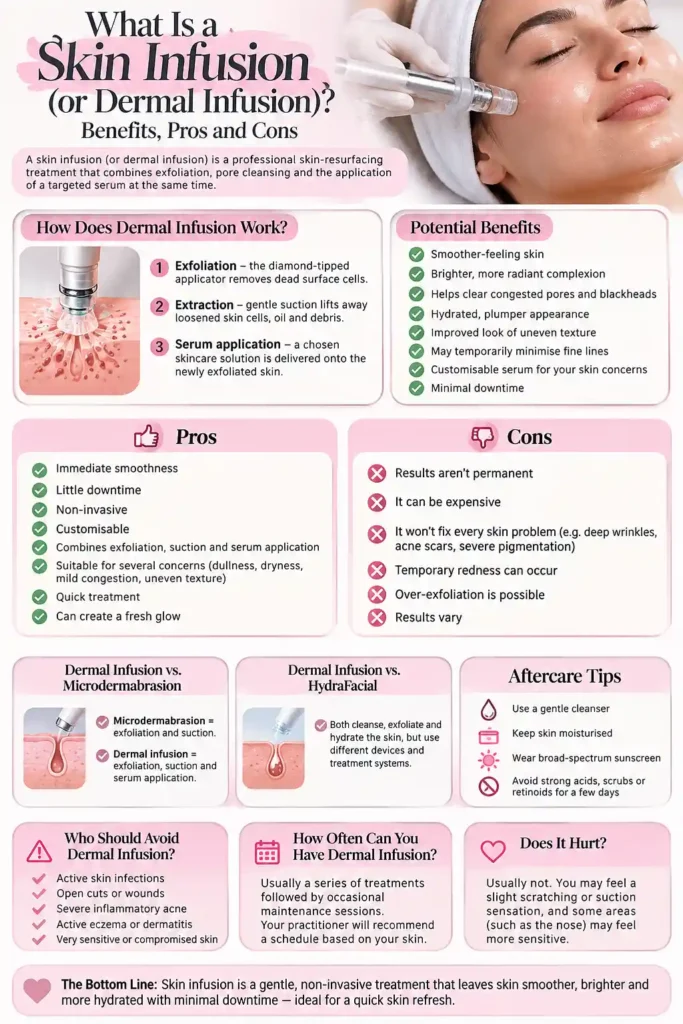
Dermal Infusion Pros
There is quite a lot to like about this treatment.
Immediate smoothness: Skin can feel noticeably softer straight after treatment.
Little downtime: You generally don’t need to hide away for several days afterward.
Non-invasive: There are no injections or surgical procedures involved.
Customisable: Different serums can be selected according to your skin’s needs.
Combines several steps: Exfoliation, suction, and serum application happen during the same treatment.
Suitable for several concerns: It may help with dullness, dryness, mild congestion, and uneven texture.
Quick treatment: Sessions can usually fit relatively easily into a normal skincare or beauty routine.
Can create a fresh glow: Many people choose the treatment before events because of the smoother, brighter appearance it can provide.
Dermal Infusion Cons
As with almost every skincare treatment, there are disadvantages too.
Results Aren’t Permanent
Your skin continuously produces new cells, oil, and debris.
That means the smooth, polished appearance won’t last indefinitely.
You may need repeated treatments if you want to maintain the effect.
It Can Be Expensive
Professional treatments can become costly, particularly if your provider recommends a course of several sessions.
It’s worth considering whether the improvement you see justifies the ongoing expense.
It Won’t Fix Every Skin Problem
Dermal infusion shouldn’t be marketed as a miracle treatment.
It won’t permanently remove:
Deep wrinkles
Acne scars
Severe pigmentation
Sagging skin
Moderate or severe acne
Deep enlarged pores
These concerns may require completely different treatments.
Temporary Redness Can Occur
Although downtime is usually minimal, some people experience mild redness, tightness, dryness, or sensitivity afterward.
If your skin is already highly reactive, this is something worth discussing before treatment.
Over-Exfoliation Is Possible
More exfoliation isn’t always better.
If you already use strong retinoids, exfoliating acids, scrubs, or other resurfacing products, adding frequent professional exfoliation can potentially irritate your skin barrier.
Your skincare professional should take your existing routine into account.
Results Vary
Some people walk out of their appointment impressed by how smooth and glowing their skin looks.
Others may notice only a subtle difference.
Your starting skin condition, treatment strength, serum used, and expectations can all influence the result.
Dermal Infusion vs. Microdermabrasion
The two treatments are closely related.
Traditional microdermabrasion mainly focuses on mechanically exfoliating the surface of the skin.
Dermal infusion also exfoliates but adds serum delivery during the treatment.
In simple terms:
Microdermabrasion = exfoliation and suction.
Dermal infusion = exfoliation, suction, and serum application.
Neither treatment should be confused with dermabrasion, which is a much deeper medical resurfacing procedure.
Dermal Infusion vs. HydraFacial
These treatments are also frequently compared.
Both aim to cleanse, exfoliate, and hydrate the skin, but they use different devices and treatment systems.
Dermal infusion traditionally uses a diamond-tip applicator alongside suction and serum delivery.
HydraFacial treatments generally use a vortex-style system with cleansing, extraction, exfoliation, and skincare solutions.
Which is better really depends on your skin, your goals, and the specific treatment offered by your provider.
Does Dermal Infusion Hurt?
For most people, dermal infusion shouldn’t be painful.
You will probably feel the suction and a slightly scratchy or polishing sensation as the applicator travels across your face.
Certain areas—such as around the nose—may feel a little more sensitive.
If the treatment feels genuinely painful, tell your practitioner immediately.
How Long Does a Dermal Infusion Treatment Take?
A facial treatment commonly takes somewhere around 30 to 60 minutes, although this varies depending on the clinic and whether other treatments are included.
That makes it relatively convenient if you’re looking for a professional facial without spending half a day at a clinic.
What Should I Expect After Dermal Infusion?
Your skin may look:
Brighter
Smoother
Slightly plumper
Cleaner
More even in texture
You may also experience mild redness or sensitivity for a short period.
I would keep skincare relatively simple immediately afterward.
A gentle cleanser, moisturiser, and broad-spectrum sunscreen are sensible choices while your skin settles.
I’d also be cautious about piling strong exfoliating acids, scrubs, or retinoids onto freshly resurfaced skin unless your skincare professional tells you otherwise.
Who Should Avoid Dermal Infusion?
Dermal infusion isn’t appropriate for everyone.
Speak with a dermatologist or qualified skincare professional first if you have:
Open cuts or wounds
Active skin infections
Significant sunburn
Severe inflammatory acne
Active eczema or dermatitis in the treatment area
Very sensitive or compromised skin
Another ongoing skin condition
You should also tell your provider about prescription skincare products, recent cosmetic procedures, and any medications that could affect your skin.
How Often Can You Have Dermal Infusion?
How frequently you should have the treatment depends on your skin, the intensity of the procedure, and what else you use in your routine.
Some clinics recommend a series of appointments followed by occasional maintenance treatments.
I wouldn’t automatically assume that more frequent treatments equal better results, though. Your skin barrier needs time to recover from exfoliation.
A good practitioner should recommend a schedule based on your individual skin rather than simply selling you the biggest package.
Is Dermal Infusion Worth It?
I think dermal infusion makes the most sense for someone who wants smoother, fresher-looking skin without a lot of downtime.
It may be especially appealing before a holiday, wedding, special occasion, or whenever your complexion is looking particularly dull.
Where I’d keep my expectations realistic is long-term skin transformation.
Dermal infusion can certainly improve how your skin looks and feels, but it isn’t going to erase deep wrinkles, permanently shrink pores, sooth acne, or remove significant pigmentation.
Think of it as a skin-maintenance and resurfacing treatment rather than a miracle procedure.
The Bottom Line
Skin infusion—or dermal infusion—is essentially a three-in-one professional treatment combining exfoliation, suction, and targeted skincare serum application.
Its main benefits include smoother texture, a brighter complexion, reduced surface congestion, improved hydration, and minimal downtime.
The biggest pros are how quick, gentle, and customisable it can be. The disadvantages are that results are usually temporary, repeated appointments can become expensive, and the treatment won’t address deeper or more serious skin concerns.
For the right person, though, it can be a lovely option when you want that freshly exfoliated, polished-skin look without committing to an aggressive peel or resurfacing treatment.
As always, if you have sensitive skin, persistent acne, pigmentation, eczema, rosacea, or another diagnosed skin condition, I’d speak to a dermatologist or appropriately qualified skincare professional before booking.
Resources
American Academy of Dermatology (AAD) – Microdermabrasion: Overview
Explains how professional microdermabrasion exfoliates the skin and may improve dullness, uneven texture, tone, and the appearance of aging, generally with little downtime.
https://www.aad.org/public/cosmetic/age-spots-marks/microdermabrasion-overview
National Library of Medicine / NIH – Microdermabrasion (StatPearls)
A more detailed medical reference covering how microdermabrasion works, its potential uses, contraindications, technique, and possible complications.
https://www.ncbi.nlm.nih.gov/books/NBK535383/
Cleveland Clinic – Microdermabrasion: What It Is, Benefits & Results
A reader-friendly medically reviewed source explaining the procedure, potential benefits, expected results, recovery, and risks.
https://my.clevelandclinic.org/health/treatments/25124-microdermabrasion