
Eczema refers to any skin inflammation, and it is caused by several different factors such as food allergies, soaps and detergents, viruses and bacteria, and more.
The good news is that there are great solutions that work like essential oils for eczema and psoriasis.
These methods are easy to apply, and they are totally natural.
Some of them are even good for treating hormone imbalance.
When my skin is dry, itchy or irritated, I can understand why the idea of using natural essential oils sounds appealing.
Essential oils are concentrated plant extracts, and some contain compounds that have been studied for their soothing, antioxidant or antimicrobial properties.
However, eczema-prone skin can be extremely sensitive, so I think it’s important to approach essential oils with a little caution. They aren’t a cure for eczema, and applying them incorrectly can actually make irritation worse.
How Does Essential Oil Therapy Work for Eczema?
Essential oils for eczema are good because they contain specific ingredients which help reduce or eliminate redness, itchiness, and all the other symptoms associated with eczemas.
These oils work as natural anti-inflammatory treatment due to their vitamin content.
When you use essential oils, you benefit not only from their instant symptom relief but also from the aromatherapy.
This property alleviates and moisturizes the skin, preventing further sores or inflammations. Bottom line, natural oils treatments hydrate and protect your skin, especially damaged areas.
Best Essential Oils for Eczema
1. Lavender Oil
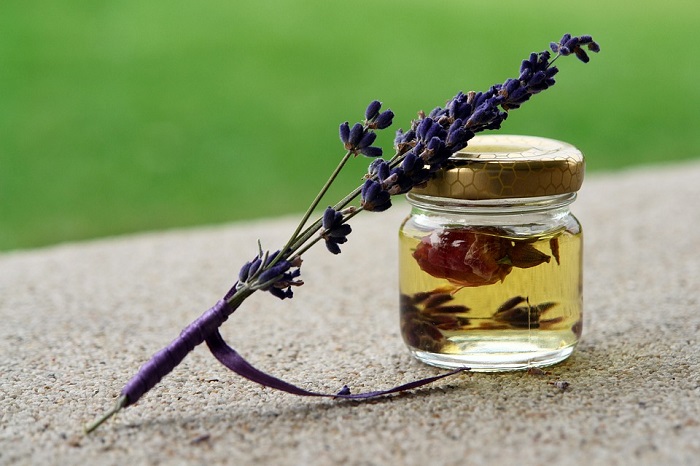
This is one of the best essential oils for eczema; it has been used in traditional medicine for hundreds of years.
Lavender oil is a great natural remedy when it comes to skin soothing. It not only reduces inflammation and redness but it also moisturizes your skin.
This way, you won’t have problems with dry or peeling skin anymore.
Lavender essential oil is probably the most obvious place to start. It’s incredibly popular in aromatherapy and skincare, and many people associate its scent with relaxation and calm.
Lavender has also been investigated for potential antimicrobial and anti-inflammatory activity.
That sounds promising, but I think it’s important to separate potential properties from proven eczema treatment.
Pros
Pleasant, relaxing fragrance
Widely available
Contains plant compounds being investigated for antimicrobial and anti-inflammatory properties
Commonly used in cosmetic products
Cons
Can irritate sensitive skin
May cause allergic contact dermatitis
Not proven to cure eczema
Should never be applied undiluted to eczema patches
If I wanted to use lavender, I’d choose a properly formulated skincare product rather than putting lavender essential oil directly onto my skin.
2. Tea Tree Oil
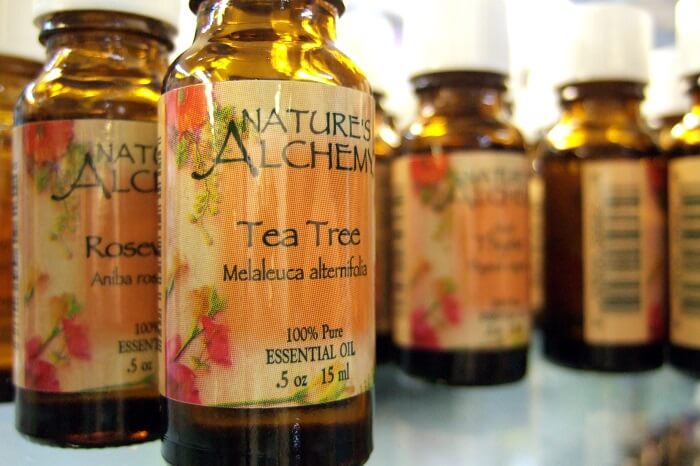
This oil is popular for its antiseptic properties. According to patients and specialists, this is one of the most effective essential oils for eczema.
Any wound generated by your inflammations will be reduced by tea tree oil.
It prevents future infections from developing.
If you mix this oil with jojoba, you will obtain the perfect homemade skin remedy.
Tea tree oil is particularly well known for its antimicrobial properties, which explains why it’s so common in products aimed at blemish-prone skin.
It’s sometimes suggested for eczema too, particularly when people are concerned about bacteria.
However, this is where I think we need to be careful.
Eczema isn’t simply a bacterial infection. It’s a complex inflammatory skin condition involving the skin barrier and immune system.
Eczema can sometimes become infected, but an infected flare needs appropriate medical treatment rather than simply applying tea tree oil.
Pros
Well known for antimicrobial activity
Popular ingredient in blemish-prone skincare
Has been studied more extensively than some other essential oils
May have a role in certain formulated skincare products
Cons
Can cause irritation
Can trigger allergic contact dermatitis
Undiluted oil should not be applied to eczema
Isn’t a substitute for medical treatment of infected eczema
For me, tea tree oil is one of those ingredients where more isn’t better.
3. Eucalyptus Oil
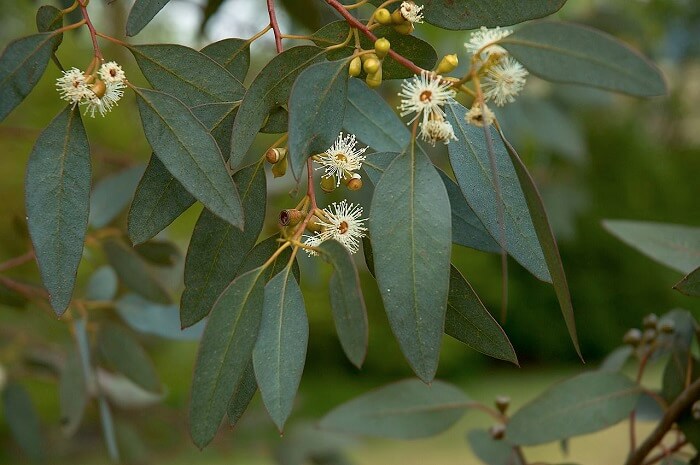
Eucalyptus oil has a wide range of benefits when it comes to fighting skin sores and eczemas. It disinfects the damaged area and cleans it from bacteria that might cause infections.
Furthermore, it has a soothing effect on irritation due to its fresh and earthy menthol.
Using this essential oil helps you get rid of pain and inflammation.
4. Chamomile Oil
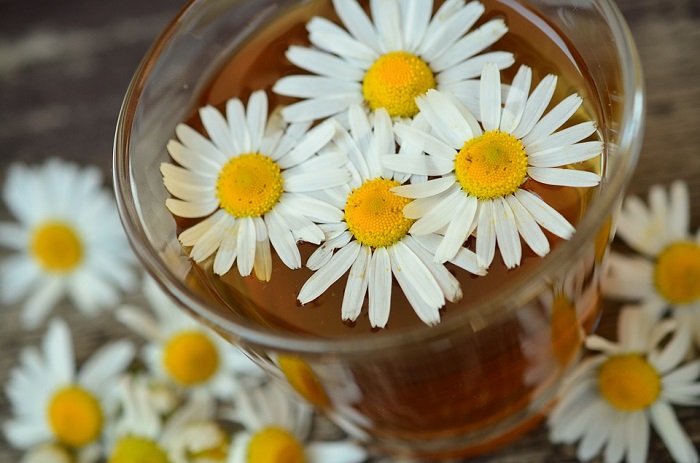
When you search for a calming as well as sedative effect, chamomile is one of the best essential oils for eczema treatment.
It offers a fruity and sweet sensation, and it is rich in minerals.
Specialists tested chamomile oil’s properties. All these studies have shown that applying this oil on your damaged skin areas decreases irritation.
Chamomile has a long history of traditional use for calming irritated skin.
It’s particularly interesting because chamomile contains compounds that have been investigated for anti-inflammatory effects. Chamomile preparations are found in various creams and other products intended for sensitive or irritated skin.
But once again, an essential oil is highly concentrated, and eczema isn’t something I’d casually experiment with.
Pros
Traditionally associated with soothing skin
Contains potentially anti-inflammatory plant compounds
Popular ingredient in natural skincare
Pleasant botanical aroma
Cons
Can cause allergic reactions
Particularly important to consider if you’re allergic to plants in the daisy family
Evidence for treating eczema specifically is limited
Essential oil can be too concentrated for compromised skin
If your eczema is very reactive, fragrance-free skincare may be a safer bet than adding a strongly scented essential oil.
5. Mandarin Oil

A lot of specialists recommend mandarin oil as a way to naturally treat eczemas and other skin conditions. Traditional medicine uses all the healing properties of the mandarin oil.
If you use it directly on your irritation, it will maintain your skin moisturized. Moreover, mandarin oil improves both blood and lymph circulation.
This essential oil boosts tissue regeneration.
6. Frankincense Essential Oil
Frankincense has a very different feel to it. It’s traditionally associated with incense, but these days you’ll find frankincense essential oil in skincare, massage oils and wellness products.
Some compounds in frankincense have been investigated for antioxidant and anti-inflammatory activity.
It’s certainly an intriguing ingredient, but I’d be wary of claims suggesting that frankincense essential oil can treat eczema or other chronic inflammatory skin conditions.
Pros
Beautiful, distinctive fragrance
Contains compounds being investigated for antioxidant activity
Popular natural skincare ingredient
Can be used in properly formulated cosmetic products
Cons
Limited evidence for treating eczema specifically
Can irritate sensitive skin
May cause allergic reactions
Shouldn’t replace established eczema treatments
I see frankincense more as a possible cosmetic or aromatherapy ingredient than an eczema treatment.
7. Rose Essential Oil
Rose essential oil is one of those ingredients that instantly makes skincare feel luxurious.
It has a beautiful fragrance and is associated with traditional beauty rituals. Rose-derived ingredients also contain various plant compounds with antioxidant properties.
However, the fact that something smells gorgeous doesn’t mean it will be kind to eczema-prone skin.
Fragrance can be an issue for people with sensitive or reactive skin, and essential oils are concentrated.
Pros
Beautiful fragrance
Contains antioxidant plant compounds
Popular ingredient in natural beauty products
Can add a luxurious feel to a skincare routine
Cons
Fragrance may irritate sensitive skin
Can cause allergic reactions
Limited evidence for treating eczema
Essential oil shouldn’t be applied neat
If your skin is extremely sensitive, I’d actually be more interested in a fragrance-free moisturiser than a rose-scented product.
Which Essential Oil Is Best for Eczema?
This is where I think we need to resist the temptation to name one “winner.”
There isn’t enough good evidence to say that lavender, chamomile, tea tree, frankincense or rose essential oil is the best essential oil for eczema.
The best choice for eczema-prone skin may actually be no essential oil at all.
That doesn’t mean these oils are useless. It simply means that eczema care needs to focus on protecting the skin barrier rather than trying to find a miracle plant extract.
If you’re considering an essential-oil product, I’d choose one specifically formulated for sensitive skin rather than making a DIY mixture at home.
Can Essential Oils Make Eczema Worse?
Unfortunately, yes.
This is something I think gets overlooked when people talk about natural eczema remedies.
Eczema can damage the skin barrier, making the skin more vulnerable to irritants and allergens. Essential oils are concentrated substances, and some can trigger irritation or allergic contact dermatitis.
You might experience:
Burning
Stinging
Redness
Increased itching
Dryness
Rash
Swelling
Blistering
If your skin gets worse after using an essential oil, I’d stop immediately rather than assuming that it’s “working” or that your skin is detoxing.
A worsening rash is not something I would push through.
How to Use Essential Oils Safely for Skin
If you decide to use essential oils despite having sensitive skin, I’d follow a few basic rules.
Never use essential oils neat
Don’t put drops of undiluted essential oil directly onto eczema.
A properly formulated product is preferable to homemade experimentation.
Don’t use them on broken skin
I would avoid essential oils on cracked, bleeding, raw or weeping eczema.
Patch-test cautiously
Try a new skincare product on a small area of unaffected skin first and watch for any reaction.
However, remember that a patch test doesn’t guarantee you’ll never react later.
Don’t put them near your eyes
Essential oils can cause significant irritation around the eyes.
Don’t swallow them
Essential oils are highly concentrated and aren’t something I’d casually take internally.
Keep them away from children and pets
Essential oils aren’t universally safe for children or animals, so storage matters.
Essential Oils vs Carrier Oils
You may have seen DIY recipes recommending that essential oils be mixed with coconut oil, jojoba oil, almond oil or another carrier oil.
A carrier oil can dilute an essential oil, but that doesn’t automatically make the resulting mixture suitable for eczema.
The carrier itself may cause a reaction, and the essential oil may still irritate your skin.
If you’re dealing with eczema, I’d personally choose a professionally formulated moisturiser designed for sensitive skin rather than trying to create my own blend.
What About Essential Oils for Acne?
Eczema isn’t the only skin condition that attracts essential-oil recommendations.
Tea tree oil is particularly popular in discussions about acne because of its antimicrobial properties.
There is some evidence supporting the investigation of topical tea tree preparations for acne, but tea tree oil can still cause irritation.
And acne isn’t the same thing as eczema.
I’d much rather use a product with an appropriate concentration and formulation than apply pure essential oil to my face.
What About Essential Oils for Psoriasis?
You’ll also see essential oils recommended for psoriasis.
Again, some plant compounds have interesting anti-inflammatory properties, but that doesn’t mean the essential oil has been clinically proven to control psoriasis.
Psoriasis can require proper diagnosis and medical treatment, especially when it is extensive, painful or affecting areas such as the scalp, nails or joints.
Essential oils should be viewed as optional skincare ingredients, not replacements for evidence-based treatment.
What I Would Use for Eczema Instead
If my skin were having an eczema flare, I’d keep my routine extremely simple.
I’d concentrate on:
A gentle, fragrance-free cleanser
A rich moisturiser suitable for eczema-prone skin
Regular moisturising throughout the day
Avoiding known irritants
Avoiding very hot baths and showers
Wearing comfortable, breathable clothing
Following any treatment recommended by a healthcare professional
I’d also resist the urge to keep adding new products.
Sometimes when our skin is unhappy, we respond by buying five more products and trying them all at once. I’ve certainly been tempted!
But irritated skin often benefits from less experimentation, not more.
When Should You Get Medical Advice?
I’d get professional advice if eczema is severe, persistent or interfering with everyday life or sleep.
It’s particularly important to seek medical advice if the skin becomes painful, increasingly warm or swollen, crusted, oozing or develops pus. Those symptoms can indicate infection.
And if you’re not sure whether a rash is eczema in the first place, it’s worth getting a proper diagnosis.
There are plenty of skin conditions that can look similar, and treating the wrong condition with essential oils isn’t likely to help.
Frequently Asked Questions
1. Can lavender oil get rid of eczema?
No. Lavender essential oil has been studied for various biological properties, but it hasn’t been established as a cure for eczema. It can also irritate sensitive skin or cause allergic contact dermatitis.
2. What is the best essential oil for itchy eczema?
There isn’t a proven “best” essential oil for itchy eczema. If your skin is itchy, I’d prioritise a suitable fragrance-free moisturiser and follow recommended eczema treatment rather than relying on essential oils.
3. Can I put tea tree oil directly on eczema?
I wouldn’t. Undiluted tea tree oil can irritate skin and may cause allergic contact dermatitis. It shouldn’t be applied directly to eczema patches, especially if they’re cracked or damaged.
4. Is chamomile oil good for sensitive skin?
Chamomile has traditionally been associated with soothing skin, but chamomile essential oil is highly concentrated and may cause reactions in some people. Anyone with allergies to plants in the daisy family should be especially cautious.
5. Can essential oils cure eczema?
No. There is currently no good reason to consider essential oils a cure for eczema. They may be used in some cosmetic or aromatherapy routines, but they shouldn’t replace appropriate eczema care.
6. Can essential oils make eczema worse?
Yes. Concentrated essential oils can cause irritation or allergic contact dermatitis, potentially making eczema symptoms worse.
7. Should I use coconut oil with essential oils for eczema?
Coconut oil is sometimes used as a moisturising ingredient, but mixing it with essential oils doesn’t necessarily make the combination appropriate for eczema. If you’re dealing with sensitive skin, a fragrance-free moisturiser formulated specifically for eczema may be a better option.
8. Can I use essential oils on broken eczema?
I wouldn’t. Avoid putting essential oils on cracked, bleeding, raw or weeping skin.
9. How often should I use essential oils on eczema?
There isn’t a standard frequency because essential oils aren’t an established eczema treatment. If you’re using an essential-oil-containing skincare product, follow the manufacturer’s instructions and stop if irritation occurs.
10. Are essential oils safe for children with eczema?
I’d be especially cautious with children. Their skin can be more sensitive, and some essential oils aren’t appropriate for young children. It’s best to ask a healthcare professional before using essential oils on a child with eczema.
Final Thoughts: Are Essential Oils Good for Eczema?
I completely understand why essential oils are appealing. Lavender smells wonderful, rose feels luxurious, chamomile has a long history of traditional use, tea tree is associated with antimicrobial properties and frankincense has become a staple of natural skincare.
But when it comes to essential oils for eczema, I’m firmly in the “proceed with caution” camp.
The most important thing to remember is that natural doesn’t automatically mean safe, gentle or effective.
Essential oils can potentially cause irritation and allergic reactions, particularly when they’re applied to already compromised eczema-prone skin. And while some oils contain compounds that have demonstrated interesting properties in laboratory research, that isn’t enough evidence to say that they can cure eczema.
For healthy-looking skin, I think the basics remain far more important: protect the skin barrier, moisturise regularly, avoid known triggers and don’t overload sensitive skin with unnecessary ingredients.
If you enjoy essential oils, there’s nothing wrong with appreciating their fragrance or using carefully formulated products that your skin tolerates. Just don’t expect an essential oil to perform the job of an actual eczema treatment.
For eczema, the best skincare routine isn’t necessarily the one with the most natural ingredients — it’s the one that keeps your skin comfortable, moisturised and protected.











Comments 3