

Let’s be honest, bikini-line bumps are one of those beauty problems that can be incredibly annoying.
I can spend ages getting my skin smooth and hair-free, only to discover a collection of little red bumps a day or two later. Sometimes they’re itchy, sometimes they’re sore, and occasionally they look like tiny spots that seem determined to ruin an otherwise smooth bikini line.
The good news is that bikini-line bumps are extremely common, and there are several things I can do to calm them down and reduce the chances of them coming back.
The trick is working out what’s actually causing the bumps.
They can be caused by shaving irritation, ingrown hairs, friction, blocked pores or inflammation around the hair follicles. Occasionally, something that looks like an ordinary shaving bump can actually be folliculitis or another skin condition that needs medical attention.
So here’s everything I think is worth knowing about getting rid of bikini-line bumps and keeping the area smoother.
What Causes Bikini Line Bumps?
Before I start treating the bumps, I like to think about what caused them in the first place.
Shaving
Shaving is probably one of the biggest culprits.
When I shave, the razor cuts the hair very close to the skin. As the hair grows back, it can sometimes curl into the skin instead of growing normally.
That can create an ingrown hair, which may appear as a small red or flesh-colored bump.
Shaving can also cause tiny amounts of irritation, particularly if I’m using a blunt razor or repeatedly going over the same patch of skin.
Waxing removes hair from the root, but it can temporarily irritate the skin and inflame the hair follicles.
Ingrown hairs can also develop as the hair grows back.
Tight Clothing
I don’t always think about clothing when I’m dealing with bikini bumps, but friction can make things much worse.
Tight underwear, leggings, swimsuits and other clothing can rub against already irritated skin.
Sweat
Heat and moisture can contribute to irritation, especially when combined with friction.
That’s why I might notice more bumps after exercise or during hot weather.
Dead Skin Cells
A buildup of dead skin cells can make it easier for pores and follicles to become blocked.
However, this doesn’t mean I should attack my bikini line with a rough scrub.
Over-exfoliating can cause even more irritation.
Hair Removal Products
Some shaving gels, creams, fragrances or other products can irritate sensitive skin.
If my bikini line suddenly becomes red and bumpy after using a new product, I’d consider whether the product itself could be the culprit.
First: Stop Shaving the Area for a Few Days
This is probably the least exciting advice, but sometimes the best thing I can do is leave my skin alone.
If the bikini line is covered in irritated bumps, continuing to shave over them isn’t going to make them disappear.
I’d give the area a few days without shaving, waxing or plucking.
This gives the skin a chance to settle.
I also try to avoid picking at the bumps.
I know how tempting it is, particularly when there’s an obvious ingrown hair sitting underneath the skin, but squeezing and digging can damage the skin and increase the risk of infection and scarring.
Apply a Warm Compress
A warm compress can feel wonderfully soothing when the skin is irritated.
I can soak a clean washcloth in comfortably warm water, wring it out and gently hold it against the area for several minutes.
The warmth can soften the skin and may help an ingrown hair move closer to the surface naturally.
I don’t want the water to be extremely hot.
The bikini area is sensitive, and burning irritated skin is definitely not the solution!
Keep the Area Clean
I’d wash the area gently with lukewarm water and a mild cleanser.
I’m not interested in scrubbing until the skin squeaks.
That can actually make irritation worse.
I also avoid heavily fragranced products around sensitive intimate skin.
Remember that the external bikini line is different from the vagina itself. I would never put harsh exfoliating products, acids or fragranced treatments inside the vagina.
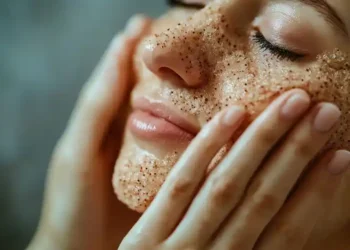
Try Gentle Exfoliation
Exfoliation can help prevent dead skin cells from accumulating around hair follicles, but this is an area where I’d take a “less is more” approach.
If the skin isn’t irritated, a gentle exfoliating product may help reduce the likelihood of ingrown hairs.
Ingredients such as salicylic acid or glycolic acid are sometimes used in products designed to reduce ingrown hairs.
But I’d introduce them carefully.
I wouldn’t apply a strong acid to freshly shaved, broken, sore or inflamed skin.
And I’d follow the product’s instructions rather than assuming that stronger equals better.
Don’t Scrub Aggressively
A rough body scrub, loofah or exfoliating glove can create tiny areas of irritation.
If I’m already dealing with bumps, that’s the last thing I want.
Gentle chemical exfoliation or a soft washcloth used carefully can be preferable to aggressive scrubbing.
Keep Your Skin Moisturized
Once I’ve cleaned the area, I like to keep the surrounding skin comfortable with a simple, fragrance-free moisturizer.
Moisturized skin is generally less likely to feel dry and irritated.
Again, I don’t need to coat the area in a thick layer of greasy cream.
A lightweight, non-irritating moisturizer is usually enough.
How I Prevent Shaving Bumps
Prevention is much easier than dealing with dozens of irritated bumps afterward.
If shaving is my preferred hair-removal method, I try to make the process as gentle as possible.
1. Trim Longer Hair First
If the hair is quite long, trimming it first can make shaving easier.
It means I’m not forcing the razor through a thick amount of hair.
2. Take a Warm Shower
I’d shave toward the end of a warm shower.
The warmth and water can soften the hair and make shaving more comfortable.
3. Use Shaving Gel
I wouldn’t dry-shave my bikini line.
A moisturizing shaving gel or cream creates slip between the razor and skin and can reduce friction.
4. Use a Clean, Sharp Razor
A blunt razor is one of my biggest enemies.
When the blade isn’t sharp, I’m more likely to go over the same area repeatedly.
That can increase irritation.
I also make sure my razor is clean and dry between uses.
5. Shave in the Direction of Hair Growth
This is one of the most useful changes I can make if I’m prone to ingrown hairs.
I shave in the direction the hair naturally grows, rather than automatically shaving against it.
I might not get quite as close a shave, but I’d rather have slightly less-smooth skin than a bikini line covered in painful bumps.
6. Don’t Press Too Hard
I don’t need to force the razor into the skin.
Gentle pressure is enough.
7. Avoid Repeated Strokes
If I’ve already shaved an area, I don’t keep going over it again and again.
Each additional pass can increase irritation.
8. Rinse and Pat Dry
After shaving, I rinse the skin and gently pat it dry.
I don’t rub aggressively with a towel.
9. Moisturize
I apply a simple fragrance-free moisturizer to the external skin.
Then I leave it alone.
What About Ingrown Hairs?
An ingrown hair happens when a hair grows back into the skin rather than emerging normally.
It can cause a small bump, redness, tenderness or sometimes a little pus.
The temptation is to grab tweezers and start digging.
I wouldn’t.
If the hair is clearly visible and sitting at the surface, gentle removal may sometimes be possible with clean tweezers, but I wouldn’t dig into the skin to find one.
Digging can cause:
Infection
Scarring
Dark marks
More inflammation
Instead, I’d stop shaving, keep the skin clean and use gentle measures to encourage the hair to emerge naturally.
If ingrown hairs are frequent or severe, a dermatologist can recommend better long-term treatment.
Can I Use Acne Products on Bikini Bumps?
Sometimes, but carefully.
The bikini line contains sensitive skin, so I wouldn’t automatically use the strongest acne treatment I have in the bathroom cabinet.
Products containing salicylic acid or benzoyl peroxide may be used for certain types of follicular bumps, but they can also irritate sensitive skin.
If I’m going to try one, I’d use a product specifically appropriate for external body skin and follow the directions.
And I would never apply acne treatments to the vulva or inside the vagina unless a medical professional specifically tells me to.
What About Tea Tree Oil?
This is one of those popular home remedies I’d approach cautiously.
Tea tree oil is often recommended online for bumps and ingrown hairs, but undiluted essential oils can irritate or burn sensitive skin.
I wouldn’t put neat tea tree oil anywhere near my vulva.
If I’m dealing with persistent bikini bumps, I’d rather use a properly formulated product designed for sensitive skin.
Should I Use a Scrub After Waxing?
I’d be careful.
Waxing already puts some stress on the skin, so immediately attacking the area with a harsh scrub isn’t my idea of good aftercare.
I’d give the skin time to settle.
Once it’s no longer irritated, gentle exfoliation may help reduce future ingrown hairs.
The same principle applies to shaving.
Don’t exfoliate aggressively immediately after hair removal.
What About Tight Underwear?
If my bikini line is irritated, I’d give it some breathing room.
Loose clothing and comfortable underwear can reduce rubbing and friction.
After exercising, I’d also change out of sweaty clothing rather than sitting around in it for hours.
This sounds incredibly simple, but sometimes the simplest changes make the biggest difference.
Can I Pop Bikini Bumps?
I know the temptation.
But no — I wouldn’t pop them.
Squeezing can push inflammation deeper and introduce bacteria.
It can also increase the risk of scarring or dark marks.
If a bump is painful, increasingly swollen or filled with pus, I’d have it assessed rather than treating it like an ordinary spot.
What If I Keep Getting Bikini Bumps?
If this happens repeatedly, I’d stop thinking of it as simply a shaving problem.
There could be a recurring issue with:
Ingrown hairs
Folliculitis
Hair-removal technique
Friction
Sensitive skin
Certain skincare products
A dermatologist or doctor can help identify the actual cause.
They may recommend alternative hair-removal methods, prescription treatments or other ways to prevent recurring inflammation.
Should I Try Laser Hair Removal?
If I have persistent ingrown hairs and shaving is constantly causing problems, laser hair removal may be worth discussing with a qualified professional.
It works by targeting the hair follicle and reducing hair growth over a course of treatments.
It isn’t suitable for everyone, and results vary according to hair and skin characteristics.
There can also be side effects such as temporary redness or, less commonly, pigment changes or burns if treatment isn’t performed appropriately.
I’d choose a reputable, properly trained practitioner and ask about their experience with my particular skin type.
What About Waxing Instead?
Switching from shaving to waxing doesn’t automatically solve ingrown hairs.
Some people find waxing works better for them, while others continue to experience bumps.
Waxing can also irritate the skin temporarily.
If I’m prone to ingrown hairs, I’d consider how my skin responds rather than assuming one hair-removal method is universally best.
How Long Do Bikini Bumps Take to Go Away?
There isn’t one universal timeline.
A mild shaving rash may settle within a few days once I stop irritating the area.
An ingrown hair can take longer.
More inflamed bumps may persist for a week or more.
If the problem is getting worse rather than better, I’d stop experimenting with home remedies and get professional advice.
When Should I See a Doctor?
Most little shaving bumps aren’t serious, but I’d get medical advice if:
The bumps are extremely painful
They’re rapidly increasing
There’s significant swelling
There’s a lot of pus
The skin feels hot and increasingly painful
I develop a fever
Redness is spreading
The problem keeps coming back
Bumps are leaving significant scars
I’m unsure whether the bumps are actually ingrown hairs
A doctor or dermatologist can determine whether I’m dealing with ingrown hairs, folliculitis, an infection or another skin condition.
Don’t Ignore Persistent Lumps
If I notice a new, persistent lump, ulcer, sore, blister, unusual mole or skin change around the genital area, I’d get it checked rather than assuming it’s a shaving bump.
Most causes are harmless, but it’s better to have something unusual assessed.
My Simple Bikini-Line Bump Routine
If I were dealing with a few ordinary shaving bumps today, I’d keep things incredibly simple.
Step 1: Stop shaving or waxing temporarily.
Step 2: Gently cleanse the area.
Step 3: Apply a comfortably warm compress.
Step 4: Don’t squeeze, scratch or dig at the bumps.
Step 5: Wear loose, breathable clothing.
Step 6: Use a simple fragrance-free moisturizer on the external skin if it feels dry.
Step 7: Once the skin has settled, consider gentle exfoliation to help prevent future ingrown hairs.
Step 8: Change my hair-removal technique next time.
That’s it.
I wouldn’t throw ten different products at the problem.
10 Bikini Line Bump FAQs
1. What is the fastest way to get rid of bikini bumps?
The fastest approach depends on what’s causing them. For ordinary shaving irritation, stopping hair removal and avoiding friction can help the skin settle. A warm compress may also be soothing.
2. Are bikini bumps usually ingrown hairs?
Not always. They can be caused by ingrown hairs, razor burn, folliculitis, friction or irritation from products.
3. Should I pop an ingrown hair?
I’d avoid squeezing or digging at it. This can cause infection, scarring and further inflammation.
4. Can I exfoliate bikini bumps?
Gentle exfoliation may help prevent ingrown hairs, but I’d avoid exfoliating actively inflamed, broken or freshly shaved skin.
5. Is salicylic acid good for bikini bumps?
It can help with certain follicular bumps and ingrown hairs, but it can irritate sensitive skin. Use only on appropriate external skin and follow the product directions.
6. How can I prevent bumps after shaving?
Use a clean, sharp razor, soften the hair first, use shaving gel, shave in the direction of hair growth, avoid repeated strokes and moisturize afterwards.
7. Should I shave every day?
If daily shaving consistently causes irritation, I’d give the skin more time between shaves or consider an alternative hair-removal method.
8. Can tight underwear cause bikini bumps?
Yes. Friction, heat and trapped moisture can aggravate irritated follicles and contribute to bumps.
9. Can laser hair removal prevent ingrown hairs?
Reducing hair growth can reduce the opportunity for ingrown hairs, so laser hair removal may help some people who repeatedly struggle with them. Results vary, and treatment should be carried out by a qualified professional.
10. When should I worry about bikini bumps?
I’d seek medical advice if bumps are very painful, rapidly worsening, producing significant pus, accompanied by fever or spreading redness, repeatedly returning, or if I’m unsure what they are.
My Final Thoughts
Bikini-line bumps can be incredibly frustrating, but I don’t need to wage war on my skin to get rid of them.
My biggest lesson is that gentler is usually better.
If shaving causes bumps, I don’t need to shave closer. I may actually need to shave less aggressively.
If exfoliation makes things worse, I don’t need to scrub harder.
And if a bump looks like an ingrown hair, I definitely don’t need to attack it with tweezers!
Instead, I’d give my skin a chance to calm down, reduce friction, keep the area clean and moisturized, and rethink my hair-removal routine.
For me, prevention is the real secret. A sharp, clean razor, plenty of shaving gel, gentle strokes and shaving in the direction of hair growth can make a remarkable difference.
And if those annoying little bumps keep coming back despite my best efforts, that’s when I’d stop experimenting and ask a doctor or dermatologist for advice.
After all, there’s no prize for suffering through a bikini line that’s constantly sore and irritated!













Comments 1