When we experience a sudden jolt of pain, it can be shocking, for example when stubbing your toe on the edge of a raised garden bed, pricking your thumb on a rose thorn, or discovering that your once-strong tooth has developed a crack.
Coming from a completely unexpected direction, one moment you’re blissfully snacking on almonds after a long time in the garden and tending to your dahlias, the next you’re frozen in a mix of surprise, dread and pain that shoots right across your jaw.
A cracked tooth does eventually need a visit to the dentist.
Herbal remedies can’t completely mend the structural damage, you can use some very soothing and effective home care to calm the pain, shield the tooth, stop any more damage, and give yourself time until your dental appointment.
You stabilise the situation, reduce stress, and make a healthy recovery possible.
In our in-depth article, we’re going to look at four simple ways you can care for a cracked tooth at home, with tools you already have and steps that are gentle but have a major impact.
Understanding the Cracked Tooth Crisis (and Why It Happens at the Most Annoying Times)
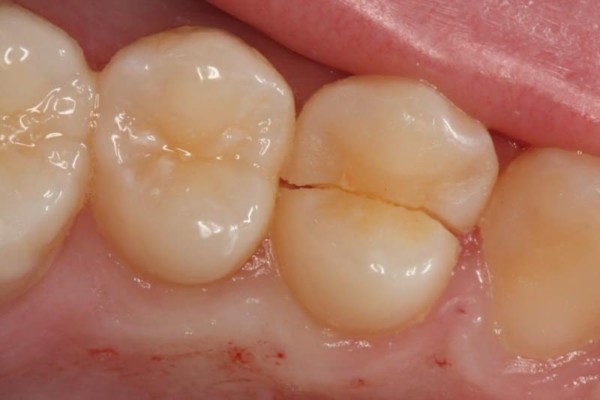
Before we dive into solutions, let’s focus on the problem at hand: cracks in teeth. Like other dental issues, tooth cracks come in various forms.
Common types of tooth cracks include:
1. Crazy lines that are so small you’re not sure why they make you nervous
2. A diagonal line that goes through the enamel but not through the dentin
3. A vertical line that goes through the dentin but not through the pulp
4. A horizontal line that goes all the way through the tooth but not quite all the way through your mouth
5. A broken-off piece that, for some reason, is still connected to the gum
You’re probably dealing with at least one of these. But when it comes to cracked teeth, we share two things in common:
1. We don’t like it, and either do our mouths.
2. We’re not exactly an emergency waiting to happen, and we’re not even that close to one, as long as we stick to gingivitis gum and oral antibiotics.
1. Reduce Pain and Swelling Naturally
The first sign is usually pain, when a tooth cracks. Well-known home remedies can really help to alleviate this discomfort, some of which you might even find in your kitchen or growing in your herb garden.
Cold compresses can be applied by wrapping an ice pack or even a bag of frozen peas in a soft cloth, pressing it against the outside of the cheek and leaving it on for ten to fifteen minutes. This is the simplest and most effective way to reduce the inflammation and pain that can follow a cracked tooth.
This procedure can be repeated every couple of hours, and is especially soothing if the cracked tooth happened as a result of biting down on something hard or accidental jaw trauma.
Another remedy is a warm salt-water rinse, the idea is to kill bacteria, soothe the pain and inflammation, clean the area. To make a rinse, mix one half teaspoon of salt into a mug of warm water, stir, swish it gently for 20. 30 Seconds, around the cracked tooth and jaw and then spit it out.
This is also a soothing ritual that you can repeat throughout the day after meals.
Clove oil, an herbal remedy, in particular has historical roots in toothache healing. Its active component, eugenol, acts as anesthetic and anti-bacterial.
However, the oil is strong, so it should be used as a substitute herbal bandaid for tooth nerves, or as well-known gardeners’ treatment for toothache. It is also best when diluted one drop of cloves in a carrier oil like olive oil and applied with a cotton swab and never applied undiluted, think of it like soothing the pain.
Over the counter remedies, ibuprofen and acetaminophen won’t fix the tooth, but can be used for temporary pain relief.
2. Protect the Cracked Tooth From Further Damage
When a tooth cracks it’s really in a delicate state, like a finely balanced ceramic vase on the brink of collapse, and we need to stop that crack from spreading, deepening or completely shattering.
Well-known ways to shield a cracked tooth include not biting down on it.
Soft or hard, anything can hurt it if you chew directly on the affected area.
Coming up against a problem area is like putting a ‘do not touch’ sign in front of a fragile flower, that’s basically what you’re doing for your tooth.
Moving over to a very soft diet is another idea.
Crunchy granola, nuts, and a sourdough crust are right out.
However, soft foods like yogurt, scrambled eggs, mashed potatoes, smooth soups, oatmeal, steamed vegetables, soft-cooked fish and smoothies are all safe bets. Your cracked tooth will appreciate the mercy.
Avoid scorching hot and freezing cold foods too, hot tea, icy water and piping hot soup will only make the sensitivity of the crack worse. Opt for lukewarm instead.
Also, sticky foods like caramel, gummy snacks, taffy and dried fruits, especially dates, can pull on the cracked area and make it even more painful.
If part of your tooth breaks off, don’t panic. Save it, put it in milk or a saline solution, as sometimes your dentist may be able to reattach it or use it as a reference for rebuilding your tooth.
3. Keep the Area Clean (But Extra Gently)
Regarding oral hygiene after a cracked tooth, you must be meticulous. Food particles and bacteria near the crack can cause a lot of discomfort, pain and even infection. But you don’t want to brush too hard because that won’t be pleasant either.
To clean the area around your cracked tooth, gently sweep your toothbrush over it, thinking of it as you would tend to delicate seedlings. A soft-bristled toothbrush is your best bet.
You can’t have hot water in this case because it will hurt. Warm water is safer. If you’re flossing and find it uncomfortable near the cracked tooth, slow down. You want to clear out any trapped particles, but don’t push too hard. Waxed floss might be an option here, it goes down more smoothly and reduces friction.
Coming racing out of the bathroom after every meal, and rinsing your mouth is a great idea.
Even a sip of warm water can make a big difference, sweeping away any debris and putting off pressure on the cracked tooth.
Stay away from abrasive mouthwashes as they can sting something awful, and are basically guaranteed to irritate the area further. Opt for a mild, alcohol-free mouthwash if you need one.

4. Temporary Tooth Repair Options (Safe, Simple, and Dentist-Approved)
We wish there was a magic garden potion that could heal it instantly.
Something we could brush on a tooth and watch it be fixed, when we notice a damaged tooth.
Well-known dental problems aren’t that simple, however, but there are temporary fixes we can use at home to take the edge off and make the tooth more manageable until we see a dentist.
Dental wax, which is generally used for orthodontic patients, is effective in covering the jagged edges of a cracked tooth.
Benefits of dental wax include preventing cuts in the tongue and cheek, it creates a smooth surface, and helps stabilise small chips and cracks. Its chief goal is making eating more comfortable.
Coming from your local pharmacy, dental wax is made to be soft, so, you can easily press it over the cracked area, replace it after meals.
Temporary dental filling kits are also very useful when a crack has made a hole or rough opening. The kits contain putty-like material, a wee tool for placing the material and instructions. They won’t last long term, but can knock out sensitivity completely.
Oil pulling is an optional soothing procedure and has no actual fixing powers, but can calm down your tooth by wrapping it in a layer of oil. If you believe in holistic medicine, you’ll love it:, Take one tablespoon of coconut oil, gently swish it in your mouth for ten to twenty minutes, then spit it out into the garbage, rinse your mouth with warm water and brush softly.
What Not to Do With a Cracked Tooth
With respect to a tooth crack, some of the things you shouldn’t do can actually make the problem even worse.
Coming up against a tooth crack and ignoring it is a recipe for disaster, even if the pain goes away the crack is still there and may get a lot worse.
It’s human nature to want to check how bad a tooth is, but biting down gently on it is not a good way to do it. Most people can’t resist, but you’ll be putting yourself at risk of further damage.
Well-known solutions that won’t cut it for tooth cracks are super glue, craft resin and other hardware-store concoctions, basically because your mouth is not a DIY workshop.
Hard foods like ice and candy should be avoided because even if you chew them on the opposite side of the tooth, your jaw can shift the pressure unpredictably.
If you wait weeks without seeing a dentist, temporary fixes are just that, and your dentist needs to check on the tooth and clean out any bacteria that may be accumulating, infection and long-term damage can be prevented.
When to Call the Dentist Immediately
It’s often stable enough to wait a bit before seeing a dentist.
You can use home remedies to manage the discomfort and protect your tooth, when a tooth is cracked.
However, if you’re experiencing any of the following symptoms you should call your dentist right away.
A severe or worsening pain, swelling in your face or jaw, fever, a foul taste in your mouth, pus near the gumline, a tooth that feels loose, or a large piece that has broken off.
What to Expect at the Dentist
When discussing going to the dentist, one of the biggest sources of anxiety is fear of the unknown.
Well-known dental procedures will be carried out, these could involve the dentist checking the extent of the crack, which may involve X-rays, a visual examination and a delicate probe to see how stable the tooth is, soothing any discomfort, and recommending a fix.
They can also put you at ease and alleviate pain surprisingly well, sometimes better than you might expect.
The dentist could recommend a tiny bonding repair, a filling, a crown, a root canal if the crack reached the pulp, or very rarely, extraction.
The silver lining is that most cracked teeth can be fixed with the help of contemporary dental care.
Holistic Habits to Keep Your Teeth Stronger in the Future
There’s no reason not to add some habits to your routine to prevent future problems, it’s often easier to prevent a cracked tooth than it is to repair one, when you’ve managed to navigate a cracked tooth.
Coming from a gardening analogy, we know that disease prevention is better than cure.
You can boost the strength of your teeth by consuming mineral-rich foods such as dairy, leafy greens, almonds, beans, broccoli, and sesame seeds, which will help calcium and other minerals fortify your enamel.
Adequate hydration is also vital in this process as your saliva is essentially the natural tooth protector, and it works well if you are well hydrated.
Cut back on teeth clenching and grinding. People under a lot of stress during the growing season may find themselves doing this at night, but if you find yourself clenching your teeth you should speak to your dentist about night guards.
Watch out for hard foods as well, they include the likes of sourdough crust, whole nuts, hard candies and unpopped popcorn kernels.
Final Thoughts: You Can Get Through This (With a Little Tooth TLC)
But it’s not the end of the world, when you’re faced with a cracked tooth you’re not going to enjoy the experience. Coming to grips with the discomfort, the inconvenience, and the general unpleasantness is the hardest part, but it is possible to manage it.
Well-known home-care steps.
Reducing pain, shielding the tooth, sanitising the area, and using emergency fillings, will get you through the day and stave off any further problems until your dental appointment.
You could think of this process as gently coaxing a wounded plant back to health, with gentle care, protection and a bit of time. Most cracked teeth can be fixed, and you’ll be snacking on crunchy carrots and toasted pumpkin seeds in no time.