Let’s talk about bee venom cream, one of the most interesting (and maybe scary) things in skin care.
Yes, that bee venom. The same thing that makes you feel pain. The same thing that sounds like it should be in a nature documentary instead of your bathroom cabinet.
But bee venom cream has quietly gained a loyal following in the beauty world, where it is praised for everything from smoothing out fine lines to calming breakouts.
So, what’s the real story? Is bee venom cream a miracle cure, a trick, or something in between?
Get a cup of tea, sit down, and let’s go over everything: what bee venom cream is, how it works, what it’s used for, and the real pros and cons you should know before putting it on your face.
View more Skin Care Tips and Tricks >
Bee venom cream uses ethically collected venom to:
- boost collagen production
- improve circulation
- lower inflammation
It is sold as an anti-aging cream (for wrinkles and firming) and for relieving muscle and joint pain (for arthritis and soreness) by creating a mild “bee sting” effect without actually stinging.
However, results vary, and some claims, like skin tag removal, don’t have strong scientific support.
Melittin, which has anti-inflammatory properties, is often one of the main ingredients, along with propolis, arnica, and other natural extracts that add to the benefits.
How It Works
The venom “stings” the skin, which makes blood flow faster and increases the production of collagen and elastin, which makes the skin look fuller and firmer.
Melittin, a main ingredient, has strong anti-inflammatory and antimicrobial properties that help with pain and skin problems.
Some Common Uses
- Skin care: getting rid of fine lines and wrinkles, tightening skin, moisturizing it, and making it more elastic.
- Pain Relief: Helps with muscle aches, joint stiffness, arthritis, and soreness from playing sports.
- Other Claims: Some products say they can help with psoriasis, eczema, and skin tags, but these claims don’t have as much scientific backing.
Main Ingredients
Bee venom has melittin, apamin, and other peptides in it.
Propolis, beeswax, camphor, capsicum, arnica, tea tree oil, and hemp seed oil are some of the other ingredients that help.
What to Look Forward To
- Use: Rubbed into the skin and applied to the skin; some people cover the area for a longer-lasting effect.
- Results: Mixed feedback; some people say it helps with pain and aging, while others say it doesn’t make much of a difference.
Important Things to Think About
- Ethical Extraction: Bees are not harmed when venom is collected, and this is often done with electrical currents.
- Possible Irritation: After using, wash your hands well because the active ingredients can irritate your eyes and mucous membranes.
- Gimmick vs. Effectiveness: Some people find it helpful, but it’s not a miracle cure, and claims about skin tags, for example, are often seen as scams.
Our Top Bee Venom Cream Picks
1. Bee Venom Comprehensive Cream
A classic bee venom skin treatment cream often marketed for moisturizing, lifting, firming, and helping diminish blemishes and fine lines.
A solid everyday pick if you’re trying bee venom skincare without a high price tag — many people choose it for general anti-aging and hydrating purposes.
2. Daasry Bee Venom Skin Restoration Cream
A budget-friendly option that blends bee venom with supporting ingredients to restore and nourish skin. Great for daily use if you want something simple and hydrating.
Great choice if you’re experimenting with bee venom for the first time.
3. Bee Venom Essence Cream
A lighter-weight bee venom essence that can work well under a moisturizer or with other serums. A good choice for people who want subtle firming and hydration without a heavy cream texture.
View on Amazon >
4. Bee Venom Cream
A basic bee venom cream option that’s often priced very affordably and used for all-over moisturizing and skin-feel improvements. A solid entry-level choice for those curious about bee venom benefits.
View on Amazon >
5. Bee Venom Cream 120g – 100% Natural Skin Tag & Wart Remover
This variation includes bee venom alongside tea tree oil and collagen boosters. While it’s marketed broadly (including claims around skin tags), many people use it as a multi-purpose anti-aging or moisturizing cream.
View on Amazon >
Shopping Tips Before You Buy
✔ Check the ingredient list. Many Amazon-listed creams include bee venom alongside other actives (like hyaluronic acid, peptides, or plant extracts) — that’s good, but make sure you’re comfortable with the full formula.
✔ Read reviews and ratings on Amazon itself. Bee venom products can vary widely in effectiveness and irritation risk, so real-user insights help a lot.
✔ Patch test first. Because bee venom can irritate skin — especially sensitive types — it’s safest to test a small amount behind your ear or on your inner arm before regular use.
✔ Start slow. Some formulas recommend once-a-day application or just a few times per week.
What is this cream made from bee venom?
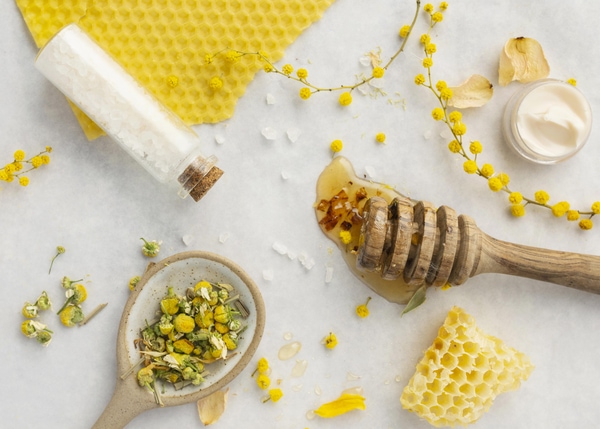
Bee venom cream is a skin care product that you put on your skin that contains purified bee venom, a natural substance made by honeybees. Many brands stress that the venom is collected in a way that doesn’t kill the bees. It is then diluted and mixed into creams, serums, or masks.
The idea behind using bee venom in skin care is simple but interesting: it makes your skin think it has been lightly “stung,” which causes a biological response that can make your skin look firmer and smoother.
But don’t worry; this isn’t about pain or swelling. Bee venom cream shouldn’t hurt like a real bee sting if you use it the right way and safely.
It’s not about random stimulation, though.
A Little Science, but Make It Friendly
Melittin, enzymes, and peptides are some of the biologically active compounds that are most often talked about in bee venom.
When used on the skin in very small amounts, these parts can:
- Make blood flow to the skin faster
- Help the body make more collagen and elastin
- Cause a mild inflammatory response that speeds up healing
- Help fight germs
In terms of skin care, this means that bee venom cream is often marketed as a natural alternative to injections, and some people even call it “nature’s Botox.”
That comparison is more about marketing than medicine (we’ll talk about that later), but it does help explain why people want to know more.
What Is Bee Venom Cream Good For?
Bee venom cream can do a lot of things. It can help with a number of skin problems, depending on how it’s made.
1. Fine lines and anti-aging
This is the main reason people use bee venom cream.
The idea is that bee venom:
- Encourages the body to make collagen
- Helps to tighten the skin
- Makes fine lines look less rough
Many users say that their skin looks more lifted and plump when they use it regularly, especially around areas like:
- Lines on the forehead
- Crow’s feet
- Smile lines
It’s not a quick fix, but people often say that it gets better over time.
2. Control of acne and blemishes
Bee venom cream isn’t just for older skin, which is surprising.
It also helps with:
- Lower the number of bacteria that cause acne
- Calming down angry breakouts
- Reduce redness
Some products are made just for skin that is prone to acne, and they are gentler than harsh drying treatments.
3. Better tone and texture of the skin
Using bee venom cream on a regular basis may help:
- Make rough texture smooth
- Make your skin tone better overall
- Make your skin look more naturally glowing
This is probably because of better blood flow and cell activity, which can make skin look “awake.”
4. Firmness and Elasticity
Creams that are meant to do improve the following often have bee venom in them:
- Skin sagging
- Loss of firmness
- Skin that looks tired
It is very popular in products for the neck and jawline, where firmness is often a problem.
What does bee venom cream feel like on the skin?
This is one of the most common questions, and for good reason.
A good bee venom cream should feel like this:
- Soft and good for you
- A little warm (but not too much)
- Easily absorbent
Some people feel a very light tingling when they put it on, especially the first few times. Most people think this is normal and it should go away quickly.
Stop right away if you feel a strong sting, itch, or pain.
How to Use Bee Venom Cream the Right Way
You can’t just put bee venom cream on and forget about it. A little thought goes a long way.
How to Use Step by Step
1. First, do a patch test.
This can’t be changed. Put a little bit behind your ear or on the inside of your arm and wait 24 hours.
2. Start off slowly
At first, use it once a day, preferably in the evening.
3. Put it on skin that is clean and dry.
The best time to use bee venom is after washing your face and before putting on thicker occlusives.
4. Use a little bit
More is not better in this case. A pea-sized amount is usually enough for the face.
If you need to, put on moisturizer next.
Some formulations are rich enough on their own, while others need a layer of moisture on top to work better.
More than how much, consistency is what counts.

The Good Things About Bee Venom Cream
Let’s talk about why people love this ingredient so much.
1. Active Ingredient from Nature
- For people who like natural skin care, bee venom offers:
- A substance that works in the body
- Little synthetic stimulation
- A one-of-a-kind option to peptides made in a lab
This is a very interesting example of how science and nature come together.
2. Formula with multiple benefits
One product can focus on:
- Small lines
- Pimples
- Redness
- Dullness
That makes bee venom cream appealing to people who want to keep things simple.
3. Results that look natural and happen over time
Bee venom cream doesn’t freeze your face or change how you look a lot, unlike injectables.
The changes are usually:
- Not very obvious
- Progressive
- Improving skin instead of changing it
That’s a big plus for a lot of people.
4. Can make you more aware of your skin
A lot of people are more careful when using bee venom cream because it needs to be used carefully:
- Testing with patches
- Lists of ingredients
- How their skin reacts to active ingredients
- Just knowing that can help you take better care of your skin.
The Bad Things About Bee Venom Cream (Important!)
Now let’s look at the other side of the coin, since no skincare ingredient is perfect.
1. Risk of Allergies
This is the most important and serious issue.
If you:
- Are allergic to bee bites
- Have had very bad allergies in the past
- Easily get hives or swelling
You shouldn’t use bee venom cream.
Patch testing is important because even people who don’t know they have allergies can react.
2. Not Good for Skin That Is Very Sensitive
If your skin is sensitive to:
- Scent
- Ingredients that work
- Gentle exfoliants
Bee venom cream might be too stimulating.
Some people with sensitive skin get red, warm, or itchy even when the concentrations are low.
3. There Are No Instant or Guaranteed Results
Even though it’s called “natural Botox,” bee venom cream:
- Doesn’t make muscles stop working
- Doesn’t take the place of injections
- Doesn’t get rid of deep wrinkles overnight
Anyone who promises big changes in a few days is lying.
4. Things to think about from an ethical point of view
Many brands get bee venom without killing bees, but not all of them are equally clear about how they do it.
If you care about sustainability, you should:
- Look into how brands do things
- Look for certifications that show you care about animals.
- Read the disclosures about sourcing
You have to be responsible with this ingredient.
5. Price
It costs a lot to get and process bee venom, which often means:
- Costs of goods are higher
- Less packaging
- You are paying for both performance and rarity.
Let’s be honest: Bee Venom Cream vs. Botox
People always bring up this comparison, so let’s be honest about it.
Cream made from bee venom:
- Naturally wakes up the skin
- Gives you better results over time
- Needs to be used regularly
- Improves the quality of the skin
Botox:
- Paralyzes muscles for a short time
- Provides a big reduction in wrinkles
- Works fast
- Needs shots and upkeep
You can’t use them interchangeably.
The best way to think of bee venom cream is as:
- A tool for prevention
- A product that improves the quality of your skin
- A soft option for firming
Not a substitute for medical procedures.
Who Should Use Bee Venom Cream?
You might like bee venom cream if you:
- Want an anti-aging product that is more natural
- Are okay with patch testing and a slow introduction
- Have mild to moderate worries
- Enjoy skin care products that contain active ingredients
You might not want to do it if you:
- Have allergies to bees
- Have skin that is very sensitive or damaged
- Want results right away that are big
- Don’t like ingredients that come from animals
How to Pick a Good Bee Venom Cream
Not all creams made with bee venom are the same.
Look for:
- Bee venom concentration is clearly stated
- Clear information about where the source comes from
- Formulas that don’t smell or have a low scent
- Hyaluronic acid, ceramides, or calming plants are examples of supportive ingredients.
Don’t buy things that:
- Make claims that are too big
- Don’t suggest patch testing
- List bee venom very low with strong irritants
- Quality is more important than hype.
Is it safe to use Bee Venom Cream for a long time?
Yes, for a lot of people, but with caution.
Long-term users often cycle their use:
- Several weeks on
- A break
- Then reassessment
This keeps the skin from getting too much stimulation and lets it reset.
Pay attention to your skin. When it starts to feel sensitive or reactive, that’s your sign to stop.
Last Thoughts: Should You Try Bee Venom Cream?
Bee venom cream is one of those skin care products that is interesting, works well, and has a lot of people talking about it.
When used carefully, it can:
- Make skin firmer
- Get rid of fine lines
- Calm down breakouts
- Give tired skin new life
But it’s not magic. There is some risk. And not everyone can use it.
We at Beautifully Alive think that the best way to take care of your skin is to know what you’re doing. It makes all the difference to know why you’re using a product and how it works.
Bee venom cream might be a good addition to your shelf if you’re curious, patient, and willing to listen to your skin.
And if not? That’s fine too. It’s not about following every trend; it’s about picking what makes you feel good, supports your skin, and fits with your values.
Keep being curious. Be nice to your skin. And as always, stay beautiful and alive.