Activated charcoal toothpaste recipe is one of the most popular natural beauty product tests in the last few years.
Activated charcoal is a popular ingredient among people who like to make their own beauty products at home because it has a striking black color and is known for helping to remove surface stains.
You’re in the right place if you’ve ever wanted to try charcoal toothpaste but didn’t know where to start.
This guide will explain what activated charcoal is, why people use it for oral care, how to safely make your own toothpaste, and some tips to help your DIY blend work well in your daily life.
Let’s get started.
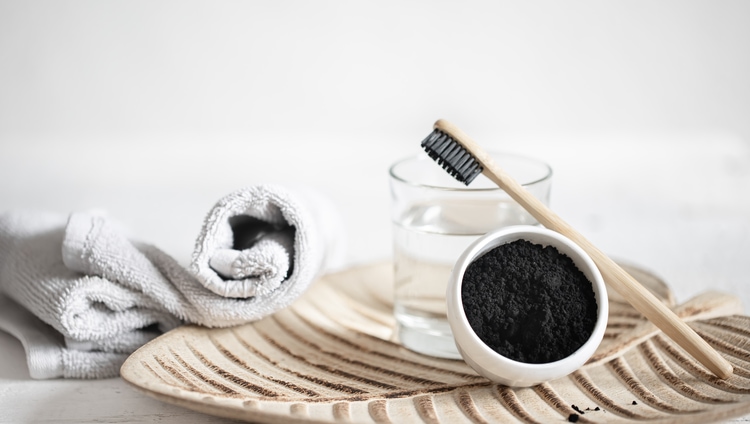
What is activated charcoal?
When you heat carbon-rich materials like coconut shells, wood, or bamboo to very high temperatures, they turn into a fine black powder called activated charcoal.
This process makes a structure that is very porous, which lets the charcoal stick to some particles on the surface it touches.
Activated charcoal has been used in many health and beauty products for a long time because it can bind to things.
It is often found in tooth powders and toothpaste mixes that are meant to help remove surface stains and make teeth look clean and shiny.
Activated charcoal does not “bleach” teeth like professional whitening treatments do, so keep that in mind. Instead, it works mostly by getting rid of stains and buildup on the outside of the teeth, which can make the smile look brighter.
Why People Like Making Their Own Activated Charcoal Toothpaste
There are a lot of reasons why people like to make their own charcoal toothpaste at home:
- Control over the ingredients
- Ability to change the taste and feel
- Avoiding unnecessary additives
- Less waste from packaging
- Savings over time
- The joy of making something yourself
DIY oral care isn’t about changing everything overnight; it’s about trying out simple recipes that work for you and make you feel good.
A Simple Activated Charcoal Toothpaste Recipe
This recipe is great for beginners because it only needs a few easy-to-find ingredients and doesn’t take long to make.
What you need:
- 2 tablespoons of food-grade activated charcoal powder
- 3 tablespoons of coconut oil that is organic
- 1 tablespoon of baking soda (optional, for light polishing)
- 10 to 15 drops of peppermint essential oil
- ½ teaspoon of xylitol powder for a little bit of sweetness is optional.
How to:
- Put the coconut oil in a small bowl for mixing. If it’s hard, put the container in warm water to make it a little softer.
- Mix in the activated charcoal powder slowly until everything is well mixed.
- If you’re using it, stir in the baking soda.
- Add peppermint essential oil and, if you want, xylitol.
- Mix well until the mixture is smooth and creamy.
- Put the mixture in a small glass jar that can’t be opened.
That’s all there is to it: your charcoal toothpaste is ready to use.
How to Use Activated Charcoal Toothpaste
Activated charcoal is a fine powder, so a small amount goes a long way.
- Use a clean spoon to scoop a small amount, about the size of a pea, onto your toothbrush.
- Brush your teeth gently for about two minutes.
- Give it a good rinse.
If you want, you can use your regular toothpaste after this.
A lot of people like to use charcoal toothpaste a few times a week instead of every day, especially when they first start using it.
Tips for Getting the Best Results
Brush Gently
Activated charcoal can feel a little rough, so it’s important to brush gently. Instead of putting a lot of pressure on it, let the toothpaste do the work.
Only use food-grade charcoal
Always pick activated charcoal that says it’s food-grade to make sure it’s safe to use on your teeth.
Take it easy at first
If you haven’t used charcoal toothpaste before, start by using it once or twice a week and see how your teeth react before using it more often.
Keep Surfaces Safe
Charcoal powder can temporarily stain fabrics and sink surfaces because it is very pigmented. After using, rinse and wipe the area well.
Different Flavors You Can Try
One of the best things about making your own toothpaste is that you can choose the flavor you like best.
- Mix of Fresh Mint
- Essential oil of peppermint
- Essential oil of spearmint
- A small amount of vanilla extract
- Citrus Fresh Mix
- Essential oil of sweet orange
- Essential oil of lemon (very small amount)
- Herbal Mix
- Essential oil of clove
- Essential oil of cinnamon
- Oil of peppermint
Always use essential oils in small amounts and make sure they are safe to use on your teeth.
Learning about activated charcoal toothpaste and how it brightens teeth
People often think of activated charcoal as a whitening agent, but it’s important to know what that really means.
Charcoal’s main job is to get rid of stains on the surface caused by coffee, tea, wine, or everyday dirt. This polishing effect can make teeth look whiter, even though it doesn’t change the color of the teeth on the inside.
To keep your smile bright, you need to brush your teeth gently and consistently and take care of your teeth and mouth in general.
Optional Charcoal Tooth Powder Version
You can easily make a charcoal tooth powder instead of a paste if you like a dry formula.
Things that go into it:
- 2 tablespoons of charcoal that has been activated
- 2 tablespoons of baking soda
- ½ teaspoon of fine sea salt
- 10 drops of peppermint oil
How to do it:
- Put all of the dry ingredients in a small jar.
- Add the essential oil and mix well until it is evenly spread out.
- To use, dip a damp toothbrush into the powder and brush it on lightly.
- Tooth powders are light, last a long time, and are great for travel.
How to Store:
- Good storage keeps things fresh and usable.
- Put it in a glass container that won’t let air in.
- Stay away from water
- When scooping, use clean tools.
For the best freshness, make small batches.
This recipe has oil in it instead of water, so it usually stays good for a few weeks if you store it correctly.
FAQs
A lot of people who use charcoal toothpaste for the first time want to know what to expect.
1. What do people use activated charcoal toothpaste for?
People often use activated charcoal toothpaste to get rid of surface stains on their teeth, freshen their breath, and give their teeth a gentle polish.
2. Is it safe to use activated charcoal on teeth?
Food-grade activated charcoal is often used in oral care products, but you should use it carefully and not too much to avoid hurting your teeth.
3. Is it okay to use activated charcoal toothpaste every day?
Some people use it every day, but most people like to use it a few times a week, switching it up with regular toothpaste, especially when they first start.
4. Does toothpaste with charcoal really make teeth whiter?
It doesn’t bleach teeth from the inside. Instead, it helps get rid of stains on the surface, which can make teeth look brighter.
5. Why doesn’t charcoal toothpaste that you make yourself foam?
It’s normal for homemade toothpaste not to foam because it doesn’t have the same foaming agents that store-bought toothpaste does.
6. What are some common things that people put in charcoal toothpaste?
Activated charcoal powder, coconut oil, baking soda, peppermint essential oil, and optional sweeteners like xylitol are all common ingredients.
7. How long does toothpaste made from charcoal last?
When stored in airtight containers, small batches usually last for several weeks, especially oil-based recipes that don’t have any water added.
8. Do you need charcoal that is safe for food?
Yes. Always use food-grade charcoal to make sure it is safe to use for oral care.
9. Can charcoal toothpaste leave stains on sinks or fabrics?
Activated charcoal can leave stains on surfaces or fabrics for a short time, so be sure to rinse well and clean the sink after using it.
10. Is it possible to make a charcoal tooth powder instead of a paste?
Yes. You can make a simple dry tooth powder by mixing activated charcoal with baking soda, salt, and essential oils.
11. Will my mouth turn black when I brush?
Yes, but only for a short time! Water easily washes away the charcoal.
12. Is it dirty?
If you use it quickly or carelessly, it can get a little messy, but brushing gently and rinsing carefully keeps things neat.
Making your own activated charcoal toothpaste recipe has some benefits.
Making your own toothpaste is good for you in more ways than one. It can also become a small, satisfying way to take care of yourself.
You get:
- Knowing what goes into your products
- The ability to change the ingredients
- A fun, hands-on beauty project
- Less dependence on packaging that can only be used once
- A feeling of being connected to your daily life
Making your own things can make even simple tasks like brushing your teeth feel more meaningful.
A Soft Reminder About Balance
When you combine DIY oral care with good dental hygiene habits, it works best:
- Brush your teeth often
- Floss every day
- Drink enough water
- Keep your nutrition balanced
- Go to the dentist regularly for care.
Homemade toothpaste can be a useful addition to your oral care routine, but it shouldn’t be the only thing you use.
Making DIY Oral Care a Regular Part of Your Life
If you’re new to natural oral care, take it slow at first.
For instance:
- Brush your teeth with charcoal toothpaste a few times a week.
- Use this instead of your regular toothpaste.
- Change the flavor or texture until you find the one you like best.
- It’s easier to stick with small changes, and consistency is always more important than perfection.
Why Activated Charcoal Is Still Popular
Activated charcoal is still a popular DIY ingredient because it’s easy to use and gives you results you can see.
The bright color makes brushing feel special, and the gentle polishing effect is great for people who want to use natural products in their beauty routines.
More importantly, it shows a bigger trend toward mindful beauty, which means picking products carefully, knowing what they are made of, and making routines that feel personal and purposeful.
Last Thoughts
It’s surprisingly simple, cheap, and customizable to make your own activated charcoal toothpaste. You can make a fresh, minty paste that fits your tastes with just a few simple ingredients. Plus, you’ll feel good about making something useful with your own hands.
Charcoal toothpaste is a fun and useful way to try out DIY beauty, whether you use it once a week to boost your polishing or make it a regular part of your oral care routine.
We at Beautifully Alive think that beauty routines should be fun, creative, and make you feel good about yourself. Sometimes the best improvements come from small, deliberate choices instead of complicated systems. For example, making a simple jar of homemade toothpaste that helps your smile and your sense of self-care.
See Also
- What Really Are the Health and Beauty Benefits of Charcoal?
- Main Types of Extrinsic Teeth Stains and How to Remove Them Easily
- Complete Guide on How to Take Care of Your Teeth