
Coconut oil for acne should be among your first choices when it comes to finding acne remedies.
It works miracles, and it clears your skin. This natural beauty product will help you get rid of those pimples in no time.
During the day, dirt and sebum clog your pores. Therefore, you need an effective remedy that truly works without being too harsh when applied to your skin.
Let’s see how you can use coconut oil to fight against pimples.
See also: Acne: Causes, Types, Treatments & How to Get Clearer Skin
The Rise of Coconut Oil as a Skincare Superstar
It wasn’t by chance that coconut oil became popular in skin care.
It has a lot of good things about it that make it seem like it would be great for skin that is prone to acne:
- Antibacterial compounds that come from nature
- Effects that reduce inflammation
- Ability to deeply moisturize
- Antioxidants that help keep the skin barrier strong
- Lauric acid, a fatty acid that is very concentrated in coconut oil, is what makes many of these benefits possible. Studies in the lab have shown that lauric acid can help stop some bacteria from growing, including Cutibacterium acnes, which is linked to inflammatory acne.
Coconut oil quickly became known as a “natural acne remedy” because bacteria and inflammation are two of the things that cause acne.
But taking care of your skin isn’t that easy.
The Big Question: Is Coconut Oil Good or Bad for Acne?
The truth is that it depends on your skin type.
Coconut oil is thought to be comedogenic, which means that it can clog pores for some people.
Coconut oil usually gets a 4 on the comedogenic scale, which goes from 0 to 5. This means that people who are prone to acne are more likely to get breakouts when they use it.
So, how can something that kills bacteria also cause acne?
Because bacteria alone don’t cause acne.
It is also affected by:
Coconut oil is thick and blocks things from getting through it, which means it makes a barrier over the skin.
That barrier can help keep moisture in and protect the skin, but it can also trap dead skin cells and sebum in pores, which can cause new blemishes for some people.
This is why people often have very different experiences with coconut oil. One person says it made their skin clear, while another says it made their worst breakout ever.
It’s possible for both things to be true.
Who Might Benefit from Coconut Oil for Acne
Coconut oil works best on certain types of acne-prone skin, especially when dryness and irritation are big problems.
Coconut oil may help you if you:
- Have skin that is dry or dehydrated and sometimes breaks out
- Have acne because your skin barrier is broken
- Fight redness and swelling
- Use acne treatments that are harsh and make skin flaky or red.
- Have combination skin, with breakouts mostly happening in dry areas.
When the skin barrier is broken, irritation gets worse and inflammation gets worse. Coconut oil can help by making the skin softer, less dry, and giving it calming fatty acids that help it heal.
In these cases, coconut oil isn’t directly treating acne; instead, it’s making the skin healthier so that breakouts are less likely to happen.
Who Should Be Careful (or Not Do It)
Coconut oil might not be the best choice for you if your skin is already oily, prone to blackheads, or prone to congestion.
If you:
- Have skin that is very oily
- Get whiteheads or blackheads a lot
- are likely to get cystic acne
- Get acne easily from heavy creams
- Live in places where the air is humid and your skin already feels greasy.
Lighter oils that don’t clog pores, like squalane or hemp seed oil, are often better for these skin types.
Keep in mind that “natural” doesn’t always mean “non-comedogenic.” Coconut oil comes from plants, but that doesn’t mean it will work for all skin types.
The benefits of coconut oil for fighting acne
Coconut oil still has a lot of good things about it for skin that tends to get acne, even though you have to be careful not to clog your pores.
1. Help with bacteria
Lauric acid fights bacteria that cause acne. Coconut oil isn’t a substitute for medical acne treatments, but it can help keep skin healthy because it kills bacteria, especially in mild inflammatory acne.
2. Effects that reduce inflammation
Inflammation often makes red, swollen breakouts worse. The fatty acids in coconut oil that soothe the skin may help calm irritated skin, which can make pimples look less angry and painful.
3. Fixing the barrier
A strong skin barrier keeps irritants out and moisture in. This barrier can get weaker if you wash your face too much, exfoliate too much, or use strong acne medications. Coconut oil helps the skin stay hydrated, which helps it heal.
4. Less dryness after acne
A lot of acne treatments make skin feel tight and flaky. You can get your skin back to being soft by putting a little coconut oil on it at night instead of using heavy chemical moisturizers.
How to Safely Use Coconut Oil for Acne
It matters just as much how you use coconut oil as whether or not you use it.
First, do a patch test.
Before using coconut oil all over your body, always test it on a small area, like behind your ear or along your jawline, for a few days. Your skin may be able to handle it if no new breakouts appear.
Use a Small Amount
More is not better. A pea-sized amount warmed between your fingers is usually enough for your whole face. Thick layers make it much more likely that your pores will get clogged.
Try it as a spot treatment.
Instead of putting coconut oil on all of your skin, try putting a small amount on only the dry, inflamed pimples or irritated areas. This method lowers the risk of breakouts while still providing calming benefits.
Use at Night
When you put the oil on at night, it absorbs slowly and doesn’t shine as much during the day. It also stops sunscreen or makeup from mixing with the oil, which can make congestion worse at times.
Pick Virgin Coconut Oil or Cold-Pressed Coconut Oil
Unrefined coconut oil keeps more healthy compounds and doesn’t have any extra chemicals added during processing. Look for words like “extra virgin” or “cold-pressed” on the labels.
Is coconut oil a good or bad oil cleanser?
A lot of people use coconut oil to take off makeup or as part of the “oil cleansing method.” For some people, this works great, removing sunscreen and makeup without hurting the skin.
But if you tend to get acne, you should double cleanse afterward with a gentle foaming or gel cleanser. If you leave coconut oil on your skin overnight, your pores may become more clogged.
If your skin breaks out after using oil to clean it, you might want to switch to lighter oils that are made just for the face.
Things People Do Wrong with Coconut Oil and Acne
A lot of bad things that happen with coconut oil happen because people don’t use it right, not because the oil itself is bad for everyone.
Too much use
A thick layer clogs pores and makes it more likely that you will get congested.
Putting it on skin that is already oily
Adding more oil before applying rarely helps if the skin feels oily.
Not washing
Not washing off extra oil, especially after taking off makeup, can cause buildup.
Wanting acne cures right away
Coconut oil is good for your skin, but it’s not a medicine. People with severe acne usually need specific ingredients like benzoyl peroxide, salicylic acid, or prescription drugs.
Coconut Oil vs. Other Natural Oils for Acne
Different oils work differently on skin that is prone to acne. Coconut oil is thicker and more occlusive than lighter oils.
- Squalane oil is very light and won’t clog pores, so it’s good for most acne-prone skin.
- Hemp seed oil: Helps keep things in balance and is less likely to clog pores.
- Rosehip oil: Helps skin heal and is usually well-tolerated
- Coconut oil works best on dry, damaged skin, not oily, clogged skin.
Choosing the right oil is often more important than deciding whether or not to use oils at all.
Can coconut oil help with scars from acne?
Coconut oil won’t get rid of deep acne scars, but it might help make post-acne marks look better over time. It can help skin heal and stay soft, which makes marks less noticeable, because it has moisturizing and antioxidant properties.
For serious scarring, using sunscreen every day, exfoliating acids, retinoids, and getting professional treatments are usually better. However, if your skin can handle it, coconut oil can help.
The Fair Decision
Coconut oil is not a miracle cure for acne or a bad thing for your skin. It’s just an ingredient that works great for some skin types and not so great for others.
If your acne is caused by dryness, irritation, or damage to your skin’s barrier, a little coconut oil might help. If your skin is oily or tends to get clogged up easily, lighter oils that don’t cause breakouts are probably better for you.
The most important thing to remember is to pay attention to your own skin instead of following general skincare advice. It’s normal for what works for someone else’s skin to not work for yours.
A Soft Reminder About Natural Cures
Natural skin care can be very helpful, but if you have persistent or severe acne, you should see a doctor.
Dermatologists can find the root causes of skin problems, like hormonal imbalances, medication reactions, or chronic inflammation, and suggest targeted treatments that can save you months or even years of trial and error.
Don’t think of coconut oil as a replacement for proven acne treatments; instead, think of it as a way to help your skin.
Easy Coconut Oil Routine for New Users
If you want to try something new, this routine for beginners is a good place to start:
- Wash your face with a mild cleanser.
- Warm a small amount of coconut oil between your fingers while your skin is still a little damp.
- Gently press it into dry or inflamed areas, but stay away from areas that are prone to acne at first.
- Start by using it only two to three nights a week and see how your skin reacts.
- Stop using it and switch to a lighter oil if your breakouts get worse.
This slow, careful way of doing things helps you find out if coconut oil works for your skin without making it too oily.
Last but not least, pay attention to your skin.
Your skin’s signals are always the best way to know what to do with it, even though skincare trends come and go.
Coconut oil can be soothing, nourishing, and even helpful for some people with acne, but it’s not the best choice for everyone.
In the days after you use it, pay attention to how your skin feels. Does it look calmer and softer, or more full and shiny? Make the necessary changes. The best skincare routine isn’t the one that’s in style right now; it’s the one that’s right for your skin.
We think that skincare should be empowering, not confusing, at Beautifully Alive.
What matters most is finding the gentle, balanced way to use coconut oil that keeps your skin healthy, comfortable, and glowing with confidence, whether it becomes a regular part of your routine or just a short-lived experiment.
Coconut Oil for Acne Face Treatment
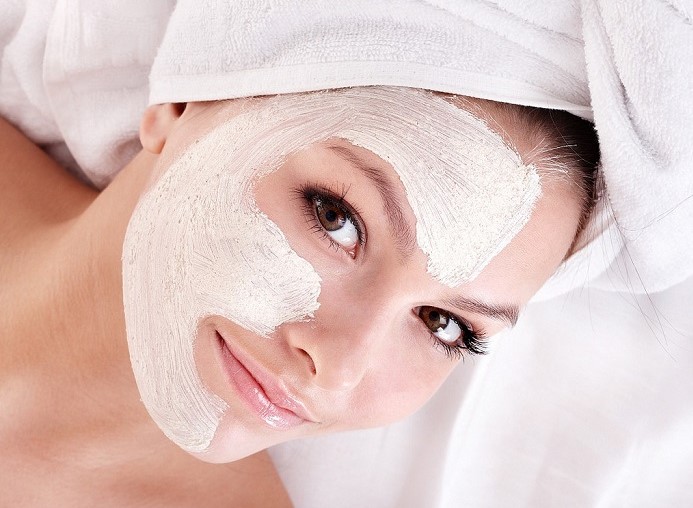
You can make your own face mask at home, using the following ingredients:
- Two tablespoons of coconut oil.
- Five tablespoons of Aloe Vera juice.
- Two teaspoons of raw honey.
Combine the coconut oil with honey and Aloe Vera juice until they form an even paste.
Apply this mask on your face and leave it there for about 20 minutes.
Make sure it won’t drip on the floor. You can use a tissue to avoid that, or you can lie down during those 20 minutes.
To remove the mask, all you have to do is to rinse your face with warm water.
For better results, you should use this coconut oil for acne treatment two times per week.
Benefits of Coconut Oil for Acne
- Boosts your liver’s ability to flush out body toxins. This will keep your skin clearer because it prevents the pores to become clogged with sebum.
- Energizes your cells so that you will get rid of toxins through your skin which also leads to sebum production balancing. Less sebum means less oily skin.
- Cleans your colon of toxins by stimulating your bowel movements (in case you use the coconut oil treatment as an oral medication).
- Removes your skin’s dead cells layers and unclogs your pores. This will further lead to preventing acne breakouts.
- Balances your body overall sebum secretion, keeping your complexion smooth, clean, and acne-free.
Does Coconut Oil Cause Acne?
Although some say that oil can cause pimples instead of treating them, coconut oil for acne has plenty of benefits for your skin and health.
However, you must know the proper way to use it.
If you are allergic to this kind of products, you should avoid putting coconut oil on your face. Also, make sure to use the right dosage.
Another reason of why this treatment might not work is the product’s quality. Purchase it only from safe places and credited stores.
Follow our recommendations on how to recognize good-quality coconut oil for acne:
- The oil should be transparent. Don’t purchase a product that has a yellow or brown color because it might be fake.
- Price matters. Very cheap oils are usually of a poor quality.
- High-quality coconut oil smells faintly not poignant.
FAQs
1. Can coconut oil help with acne?
Coconut oil can help some people because it has lauric acid and other compounds that kill bacteria and reduce inflammation. But it can also clog pores in skin that is prone to acne, so the results depend on your skin type.
2. Does coconut oil make acne worse?
Yes, for some people. Coconut oil is thought to be moderately to highly comedogenic, which means it can clog pores and cause breakouts, especially in skin that is oily or prone to congestion.
3. Is coconut oil safe to use on oily skin?
Most of the time, it’s not the best choice for skin that is very oily. For oily, acne-prone skin, lighter oils that don’t clog pores, like squalane or hemp seed oil, are usually better.
4. How do I use coconut oil to get rid of acne?
Use a very small amount, and only on dry areas at night or on pimples that are already irritated. Always do a patch test first to see how your skin reacts.
5. Does coconut oil help get rid of acne scars?
Coconut oil can’t get rid of deep acne scars, but its moisturizing and antioxidant properties may help make post-acne marks look better by helping the skin heal.
6. Is it okay to leave coconut oil on my face all night?
You can leave a thin layer on overnight if your skin can handle it. If you tend to get clogged pores, though, it’s best to use it sparingly or wash it off after a short time.
7. Can coconut oil help with cystic acne?
Thick oils can trap bacteria and sebum in deeper pores, so cystic acne is not usually recommended for them. For this kind of acne, medical treatments or products that a dermatologist recommends work better.
8. What kind of coconut oil is best for your skin?
People usually prefer unrefined, extra-virgin, or cold-pressed coconut oil because it has more natural antioxidants and fewer chemicals added during processing.
9. How often should I put coconut oil on skin that is prone to acne?
Start by doing it two to three times a week and keep an eye on your skin. If you start to get more breakouts, stop using it or switch to a lighter moisturizer.
10. If I have acne, can I use coconut oil to take off my makeup?
Yes, but you should always use a gentle facial cleanser after that to get rid of any leftover product. If you leave coconut oil on your skin after taking off your makeup, it could make your pores more likely to get clogged.
Summing It Up
As you can see, coconut oil for acne is a great natural remedy that helps you get rid of pimples and gain a smoother and clearer skin.
Make sure to buy the best organic oil you can afford and test it on a small are of your body to see whether or not you are allergic to it.
High-quality oils are safe even for babies.
Image source: 1
See Also
- Coconut Oil Collection
- Amazing Benefits of Coconut Oil
- Taking Zinc for Acne: Does It Work and How to Do It














Comments 2